Cover it before the next rain
Tarps, board-up and emergency seals go on first, so rain stops entering the building and the interior is protected while everything else is planned.
Roof deck and sheathing, rafters and trusses, valleys, chimneys, skylights, shingle, metal, tile and flat roof repairs, and attic water damage sources.
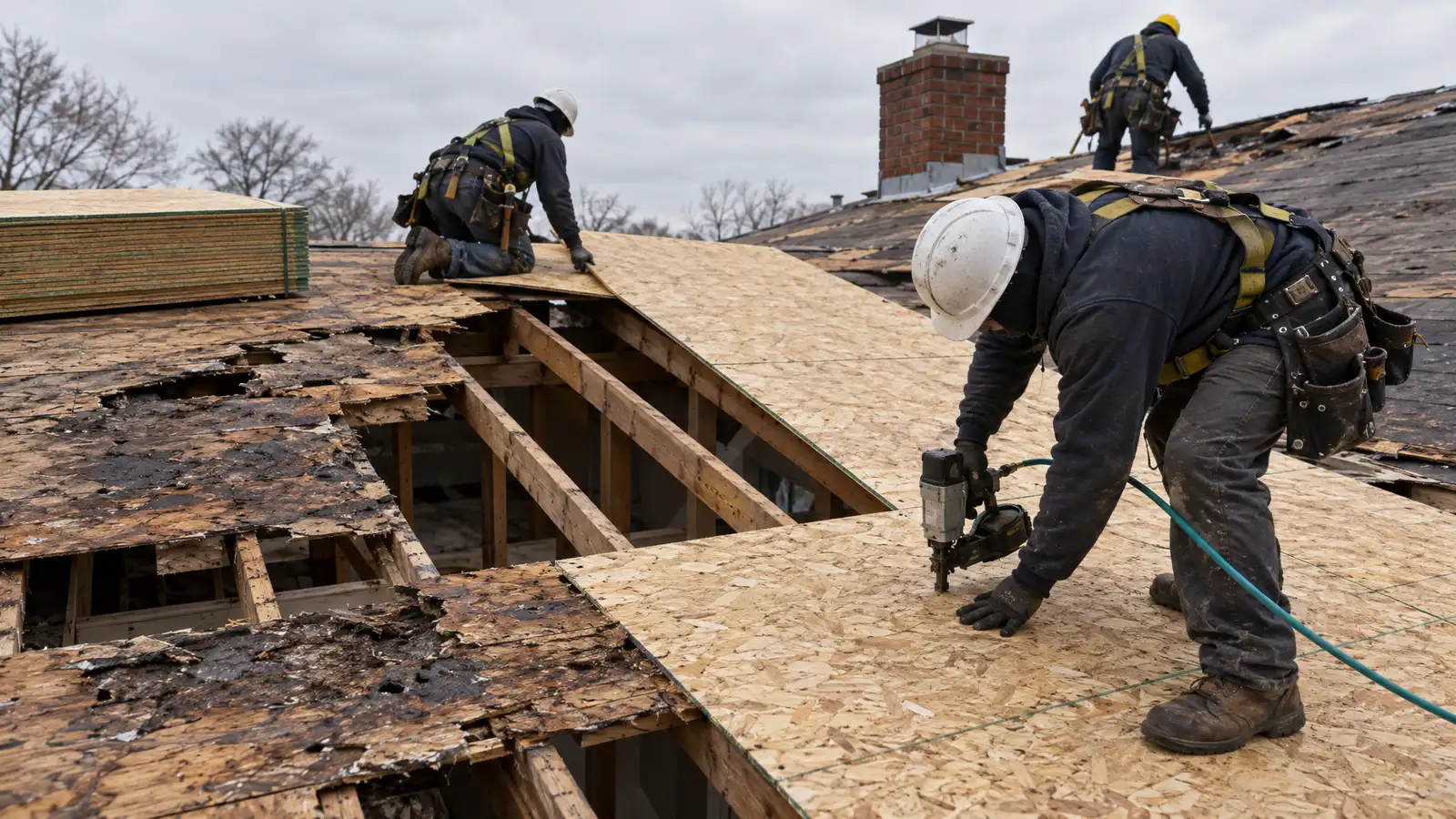
Roof deck and sheathing, rafters and trusses, valleys, chimneys, skylights, shingle, metal, tile and flat roof repairs, and attic water damage sources.
C-01RepairsRoof Deck and Sheathing RepairRoofing is only as sound as the deck beneath it.Stage 3: Repair it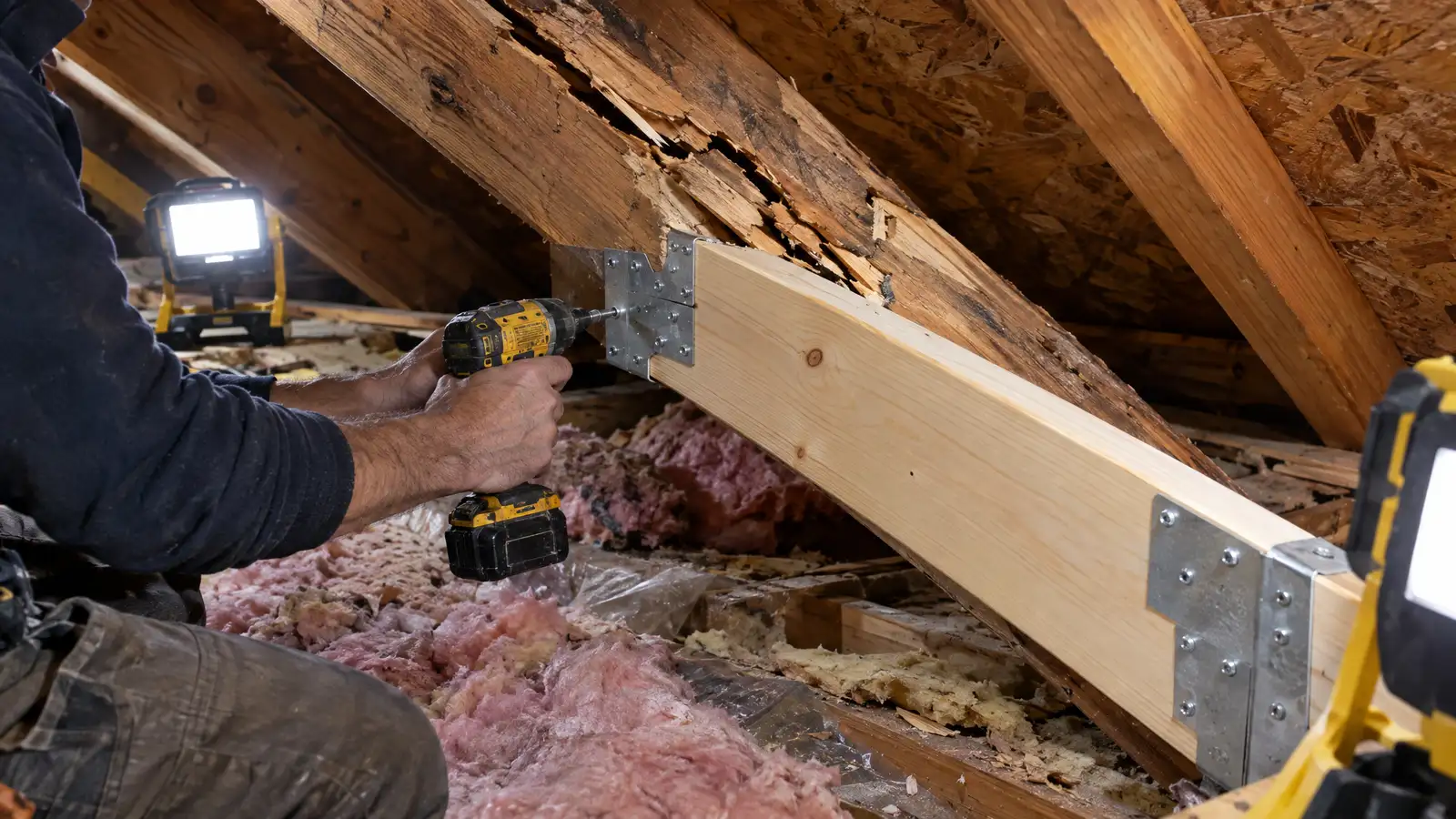 C-02RepairsRafter and Truss RepairCracked rafters, broken truss members and displaced framing carry the whole roof.Stage 2: Make it safe
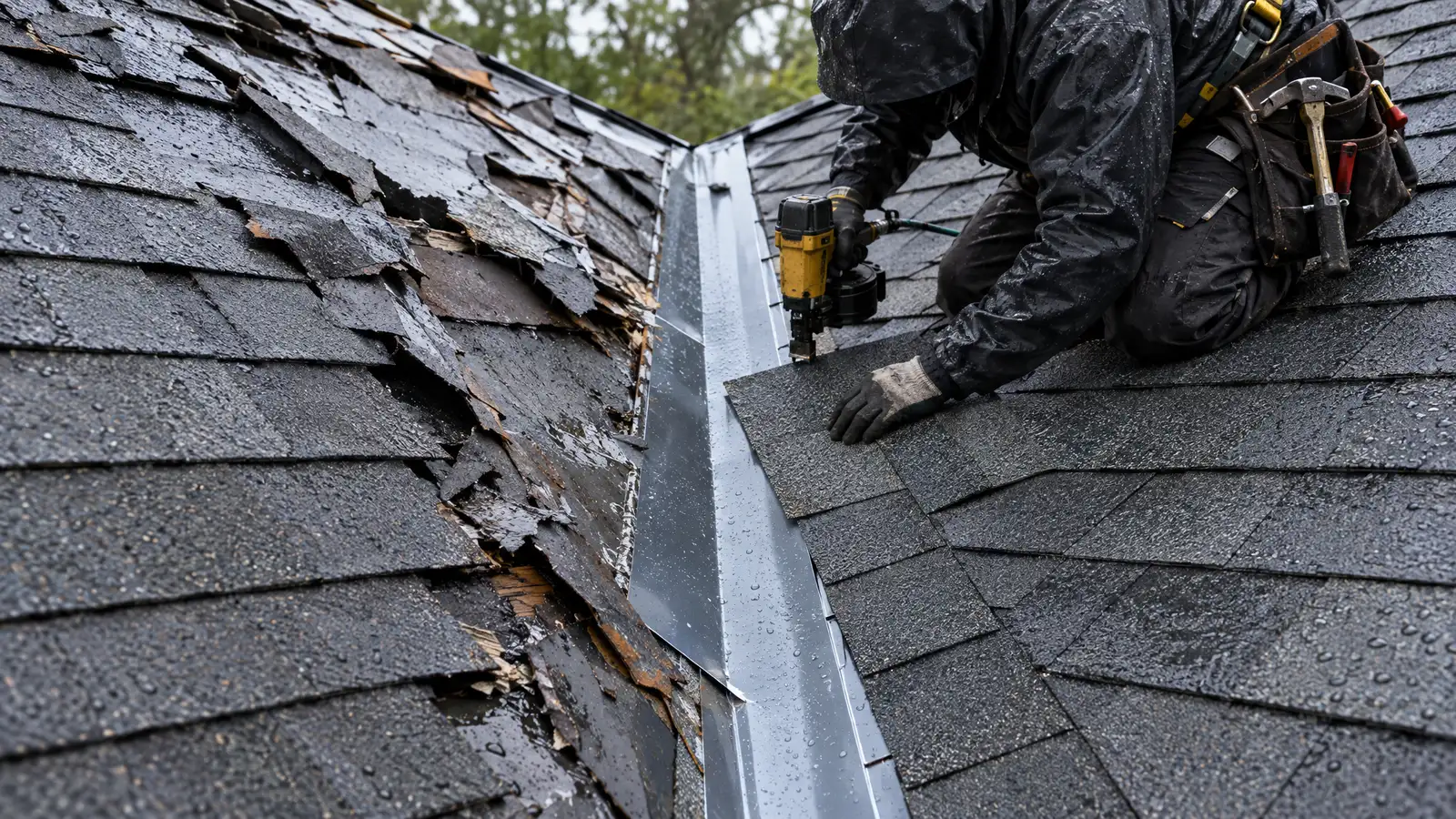 C-03RepairsRoof Valley RepairValleys carry the flow of two roof slopes.Stage 3: Repair it
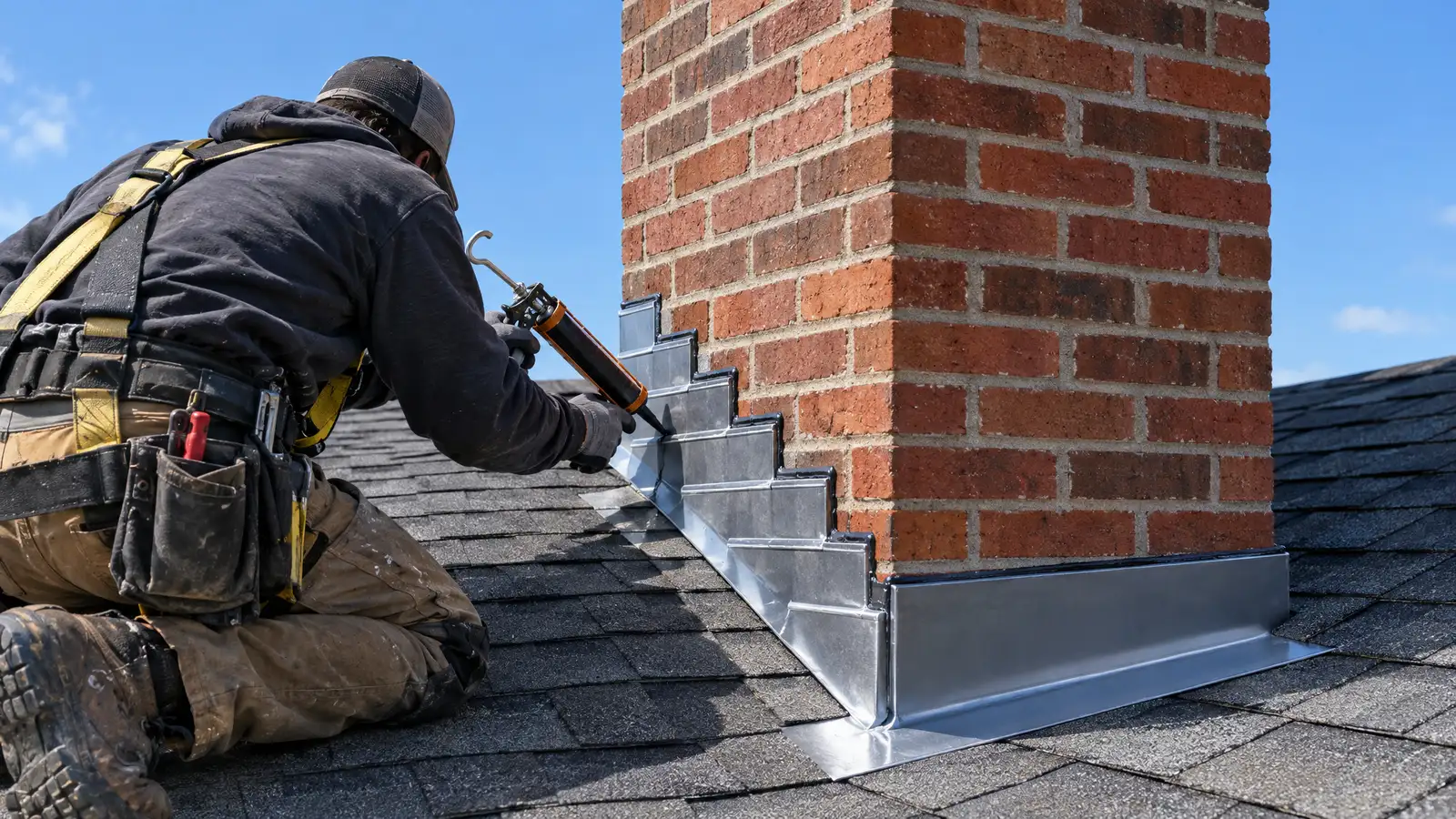 C-04RepairsChimney Flashing RepairChimneys leak where the roof meets the brick.Stage 3: Repair it
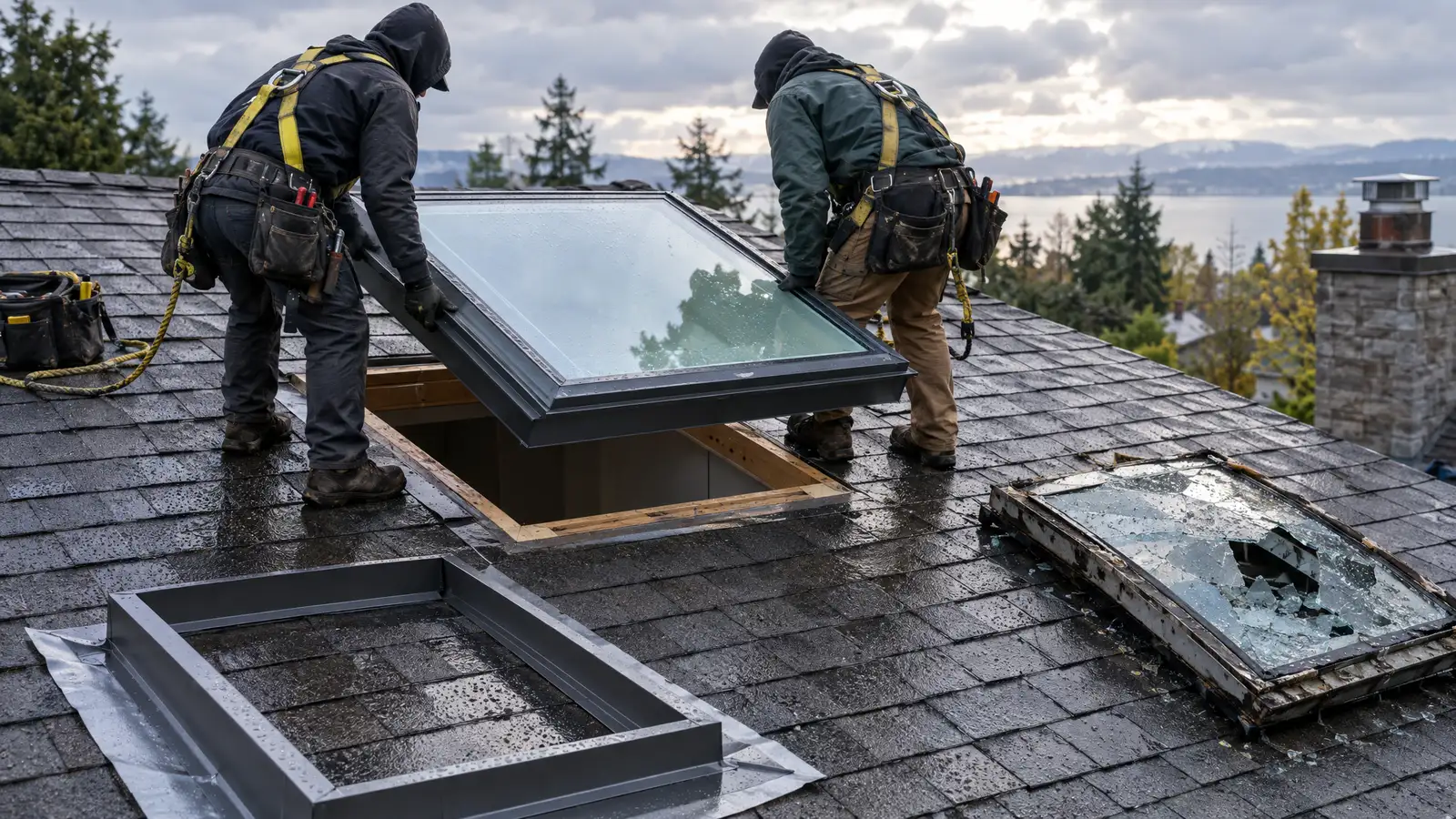 C-05RepairsSkylight ReplacementHail and debris crack skylights, and storms loosen their frames.Stage 3: Repair it
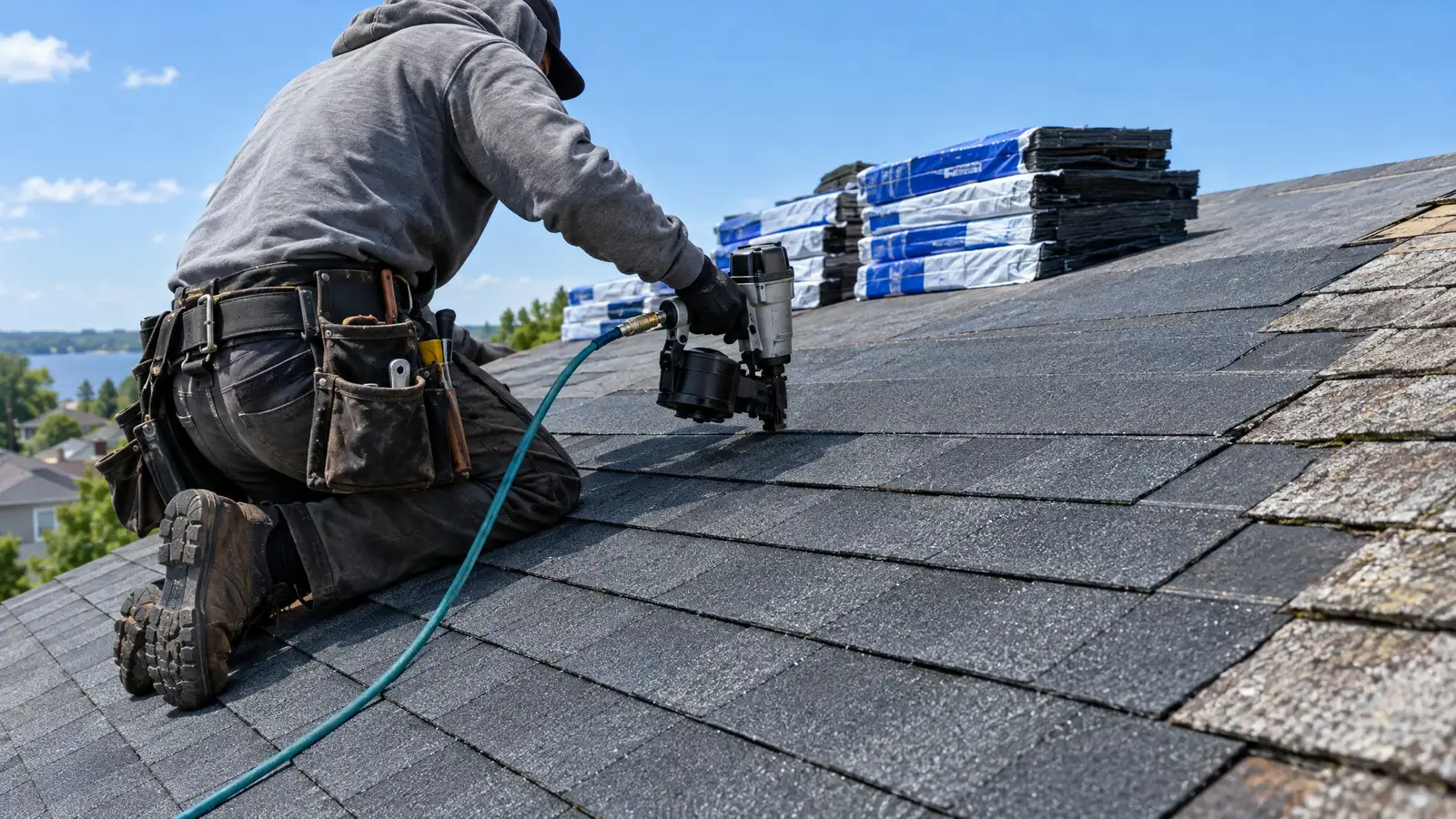 C-06RepairsShingle Roof RepairAsphalt shingles are the most common roof, and the most common to be damaged.Stage 3: Repair it
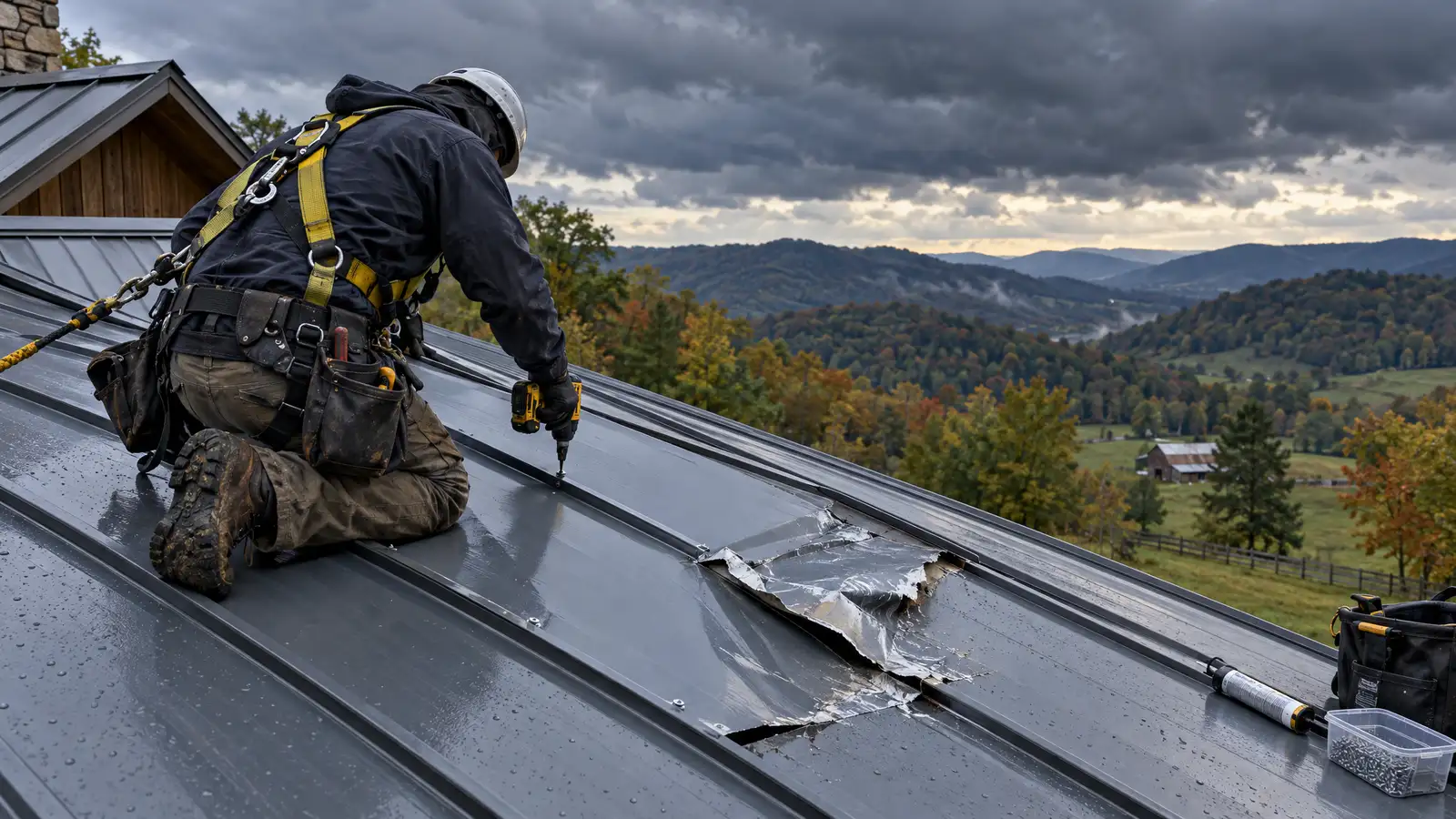 C-07RepairsMetal Roof Storm RepairMetal roofs are tough, but wind can peel panels and hail can dent them.Stage 3: Repair it
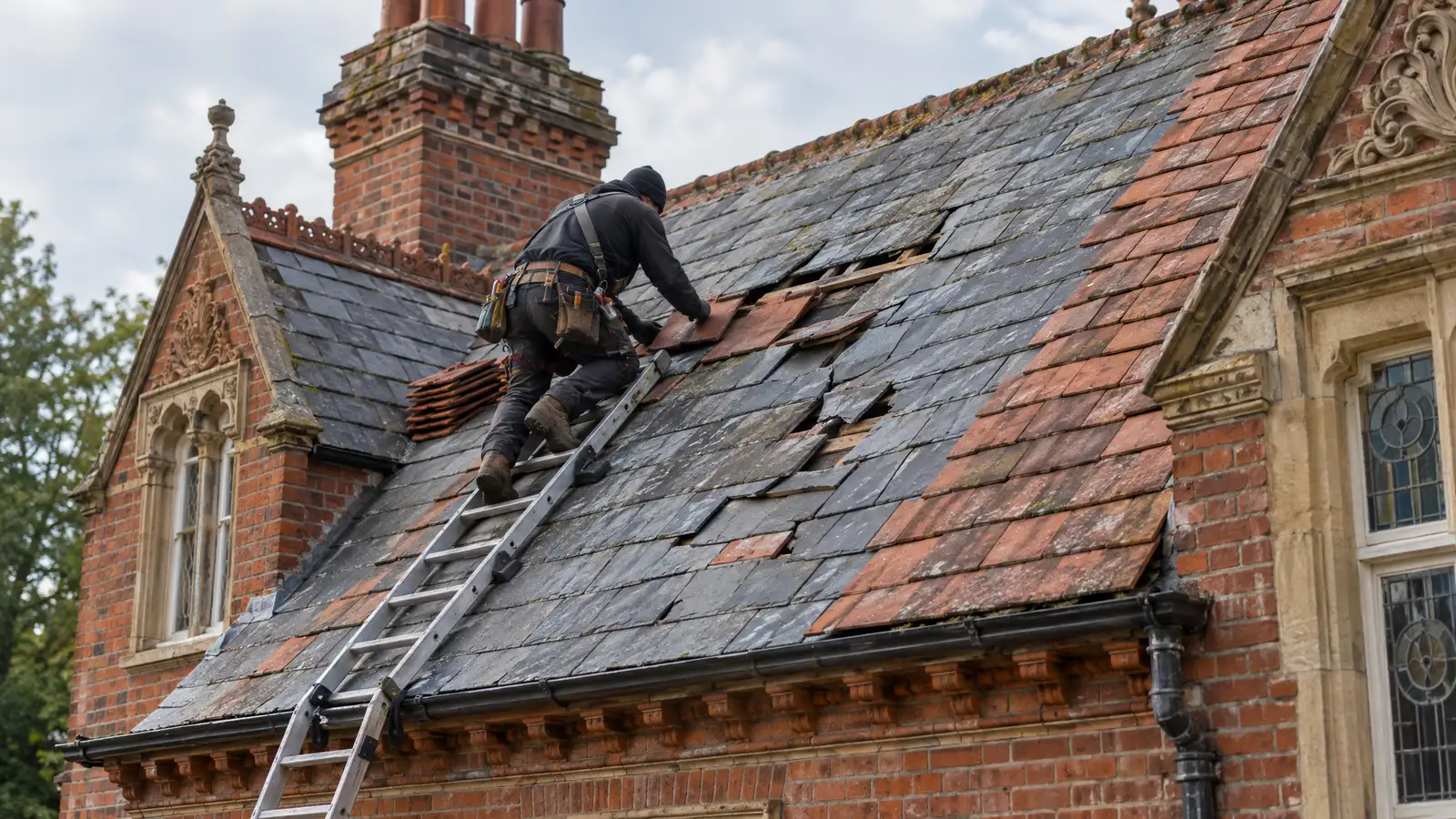 C-08RepairsTile and Slate RepairSlate and clay tile roofs are beautiful and heavy, and easy to damage by walking on them.Stage 3: Repair it
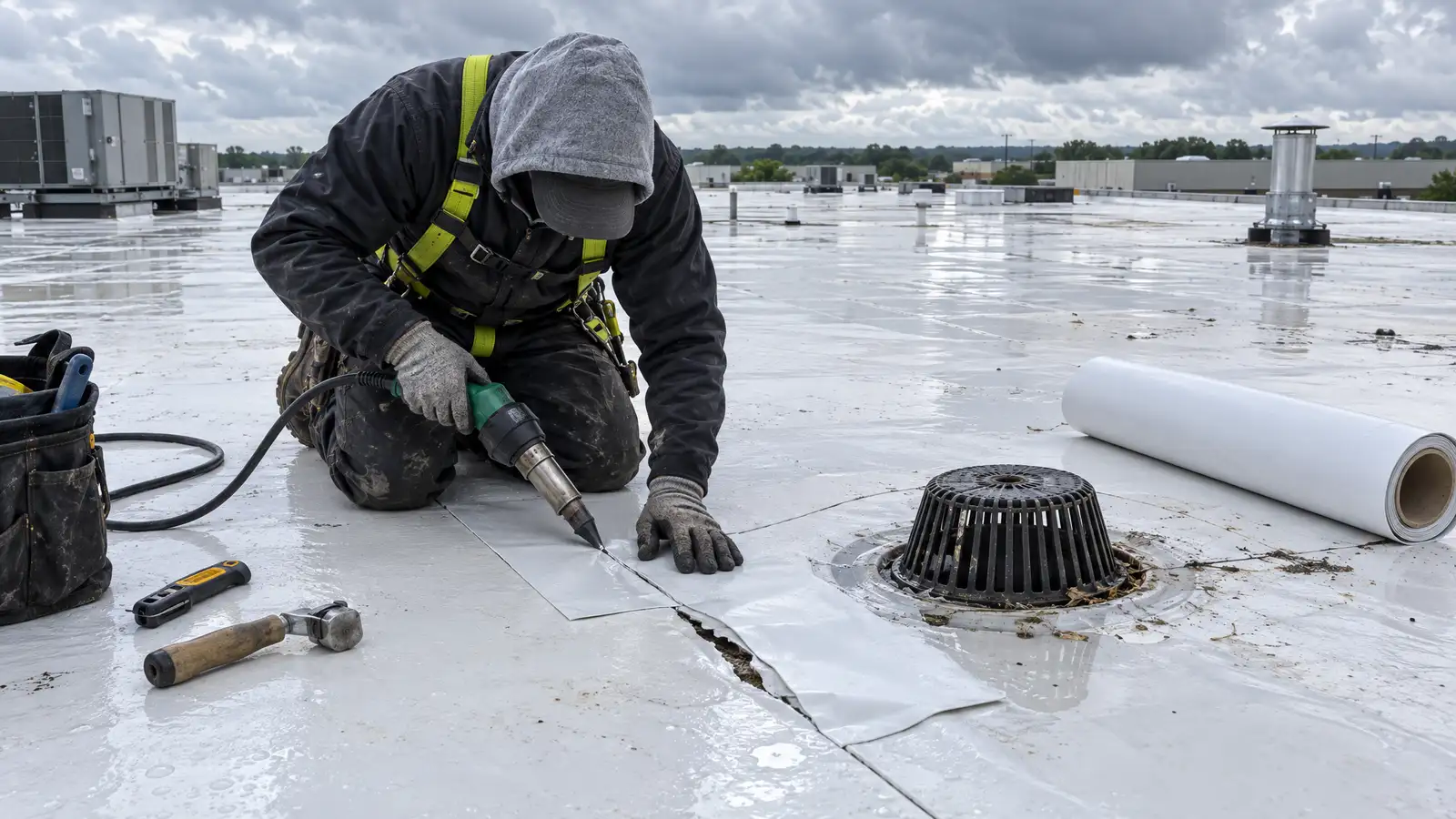 C-09RepairsFlat Roof Storm RepairFlat and low-slope roofs hold water, and storms tear membranes, open seams and block drains.Stage 3: Repair it
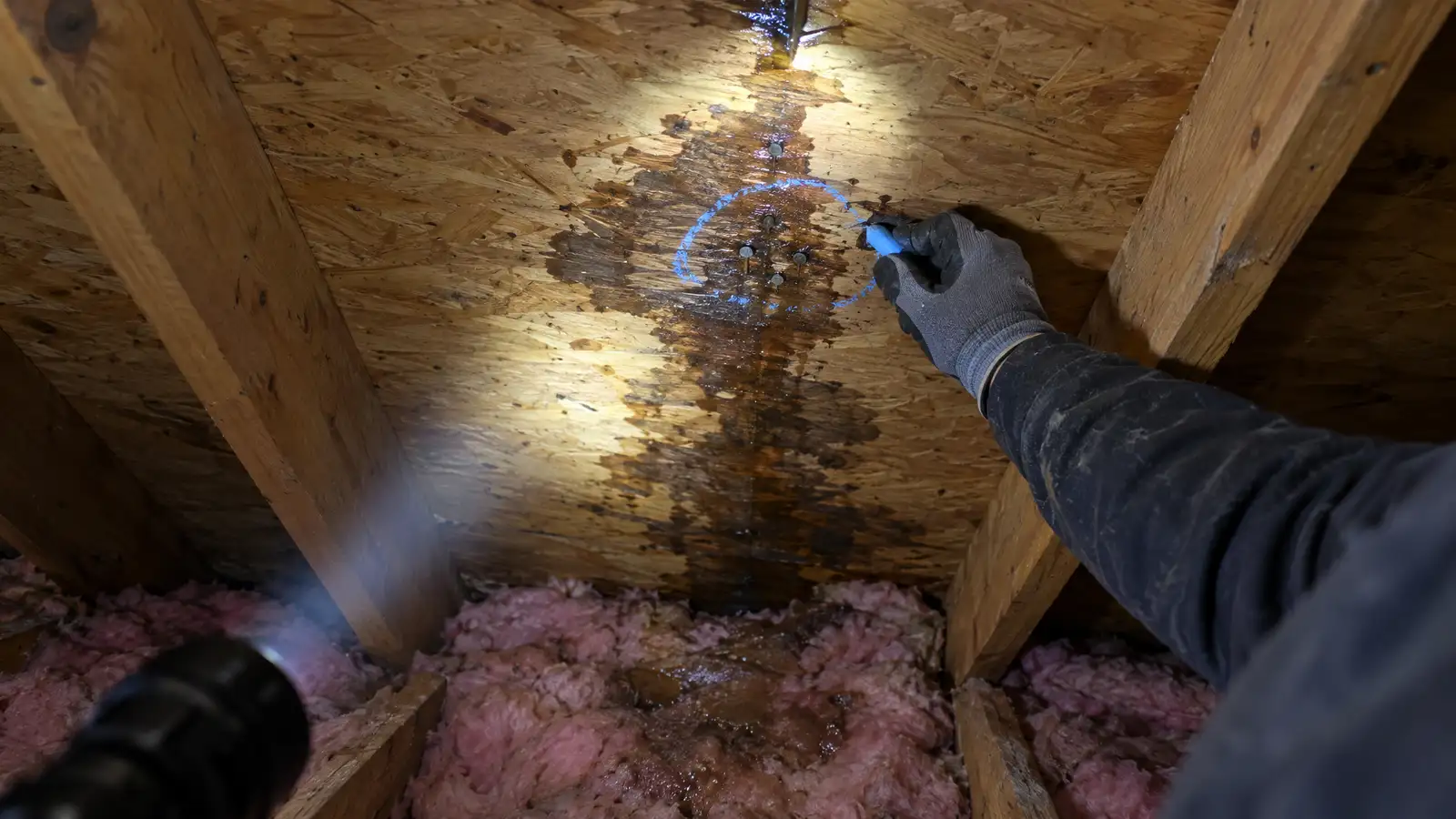 C-10RepairsAttic Water: Fix the SourceWet insulation, stained decking and mold in the attic point to a leak above.Stage 2: Make it safe
Every service page shows a stage badge so you know where it fits between the storm and the finished roof.
Tarps, board-up and emergency seals go on first, so rain stops entering the building and the interior is protected while everything else is planned.
Debris is cleared, damaged areas are braced and temporary repairs make the roof and the building safe to work on and live under.
Shingles, flashing, decking and details are repaired or replaced, matched as closely as practical and sealed so the roof sheds water properly again.
When repair will not make sense, the roof is replaced: planned, permitted, documented and built to last, with the options explained first.
Tell us what happened and where you see water. We will explain the safest next step and how we can cover and repair the roof.
Send the form or call. Say what the storm did, where you see water and whether anyone is in danger, and we will explain the safest next step and how we can help protect the roof.
Prefer to talk? Call us(615) 410-9749