Cover it before the next rain
Tarps, board-up and emergency seals go on first, so rain stops entering the building and the interior is protected while everything else is planned.
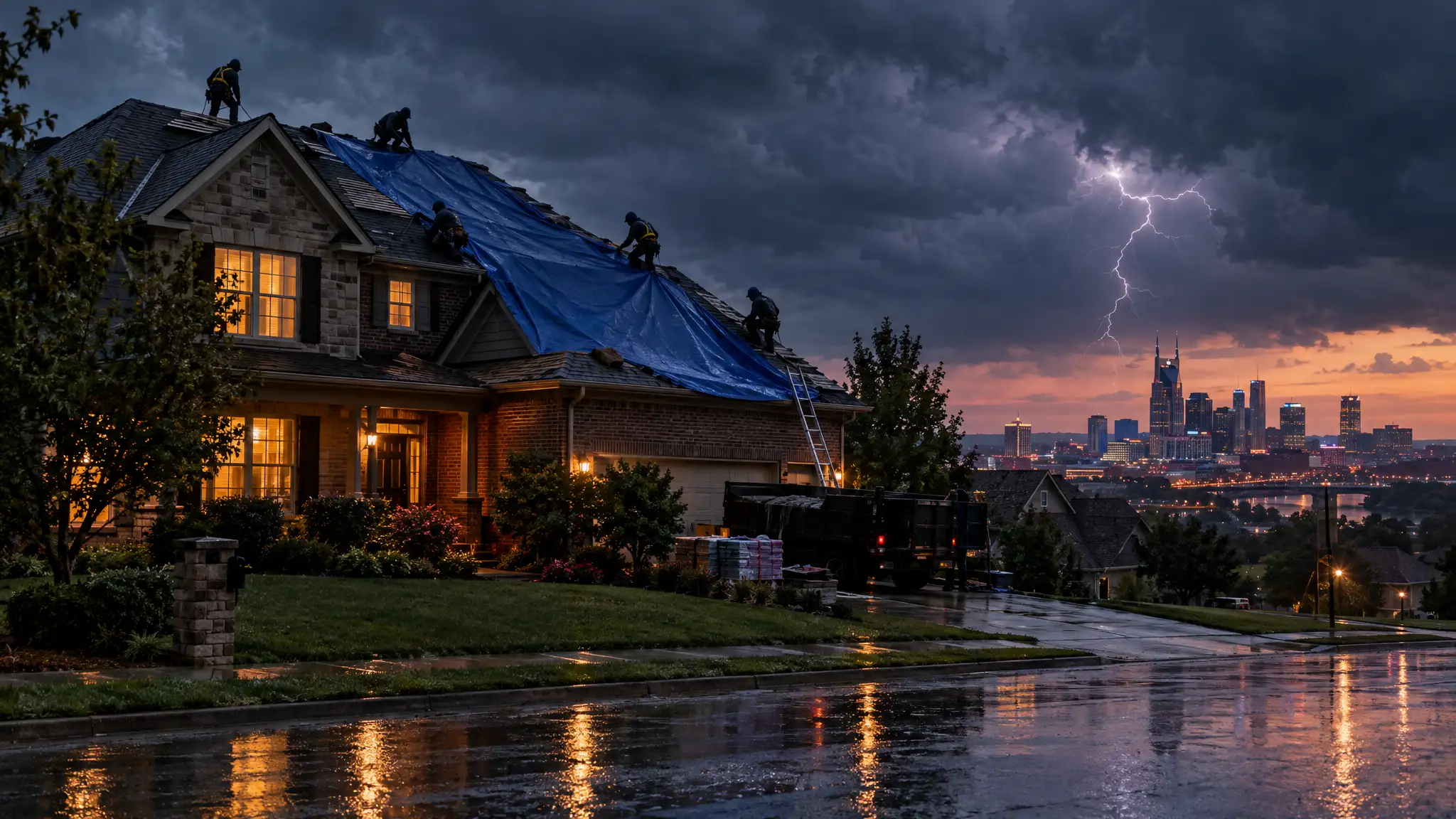
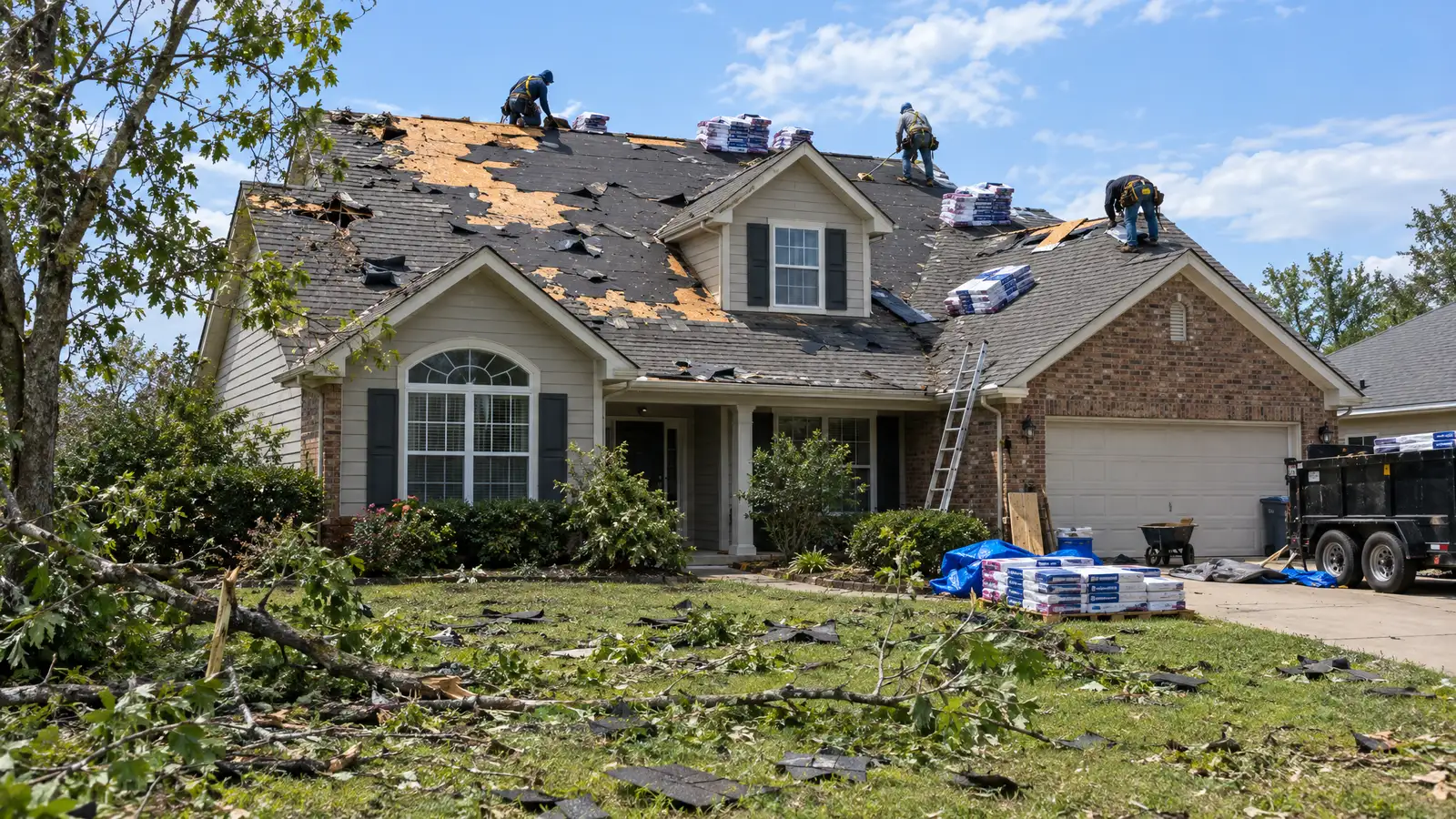
A storm opened your roof. We cover it, stop the water and put it right: tarps and board-up first, then leak repair, storm damage repair and replacement for homes and businesses across Middle Tennessee.
Every service we offer sits at one of four stages. We start where you need us to.
Tarps, board-up and emergency seals go on first, so rain stops entering the building and the interior is protected while everything else is planned.
Debris is cleared, damaged areas are braced and temporary repairs make the roof and the building safe to work on and live under.
Shingles, flashing, decking and details are repaired or replaced, matched as closely as practical and sealed so the roof sheds water properly again.
When repair will not make sense, the roof is replaced: planned, permitted, documented and built to last, with the options explained first.
Pick the family that fits, or browse every service.
48 services in all. These are the ones people need most.
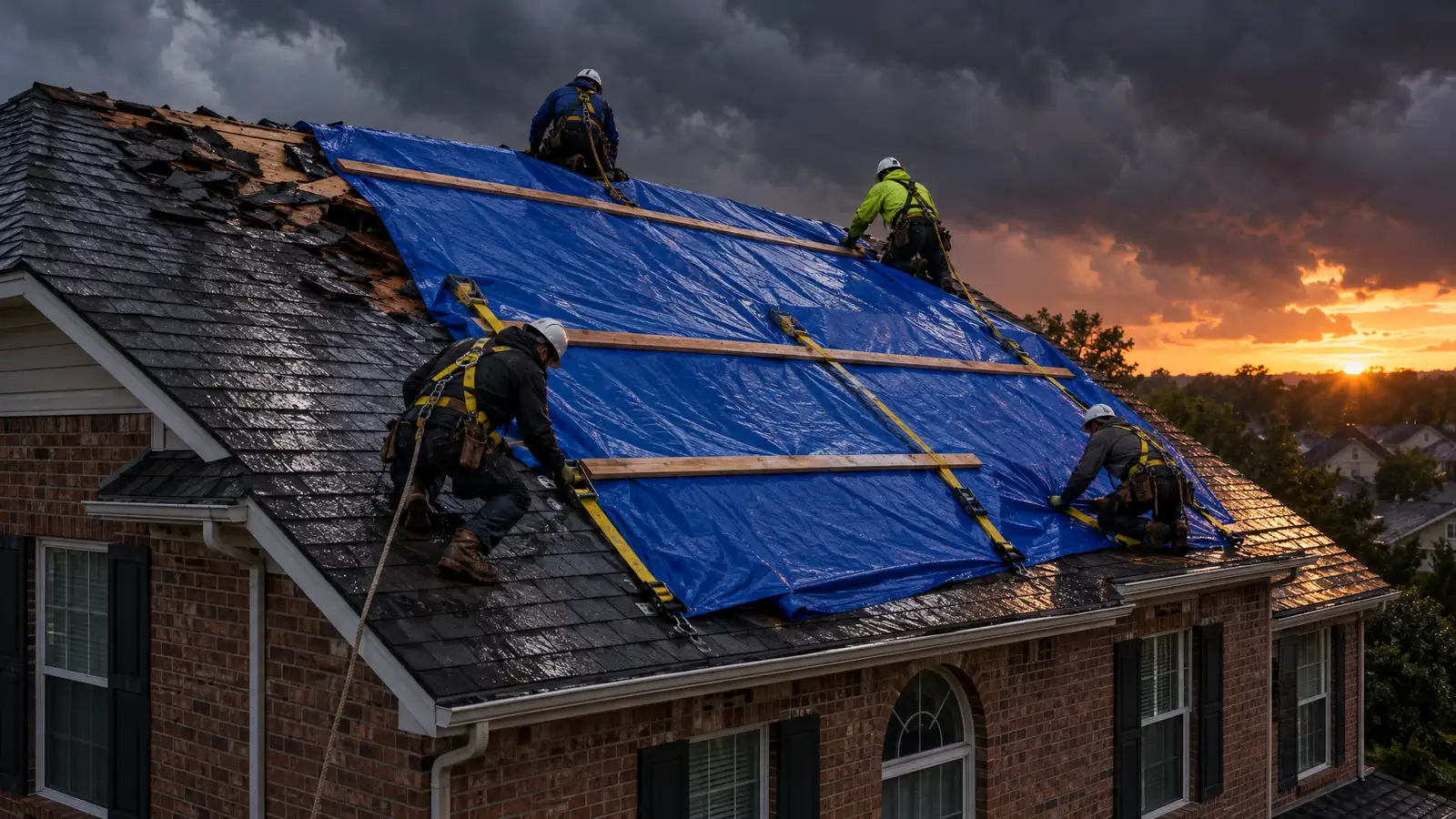 A-01Emergency ResponseEmergency Roof TarpingWhen a storm opens your roof, a properly secured tarp keeps water out of the house until the permanent repair can be done.Stage 1: Stop the water
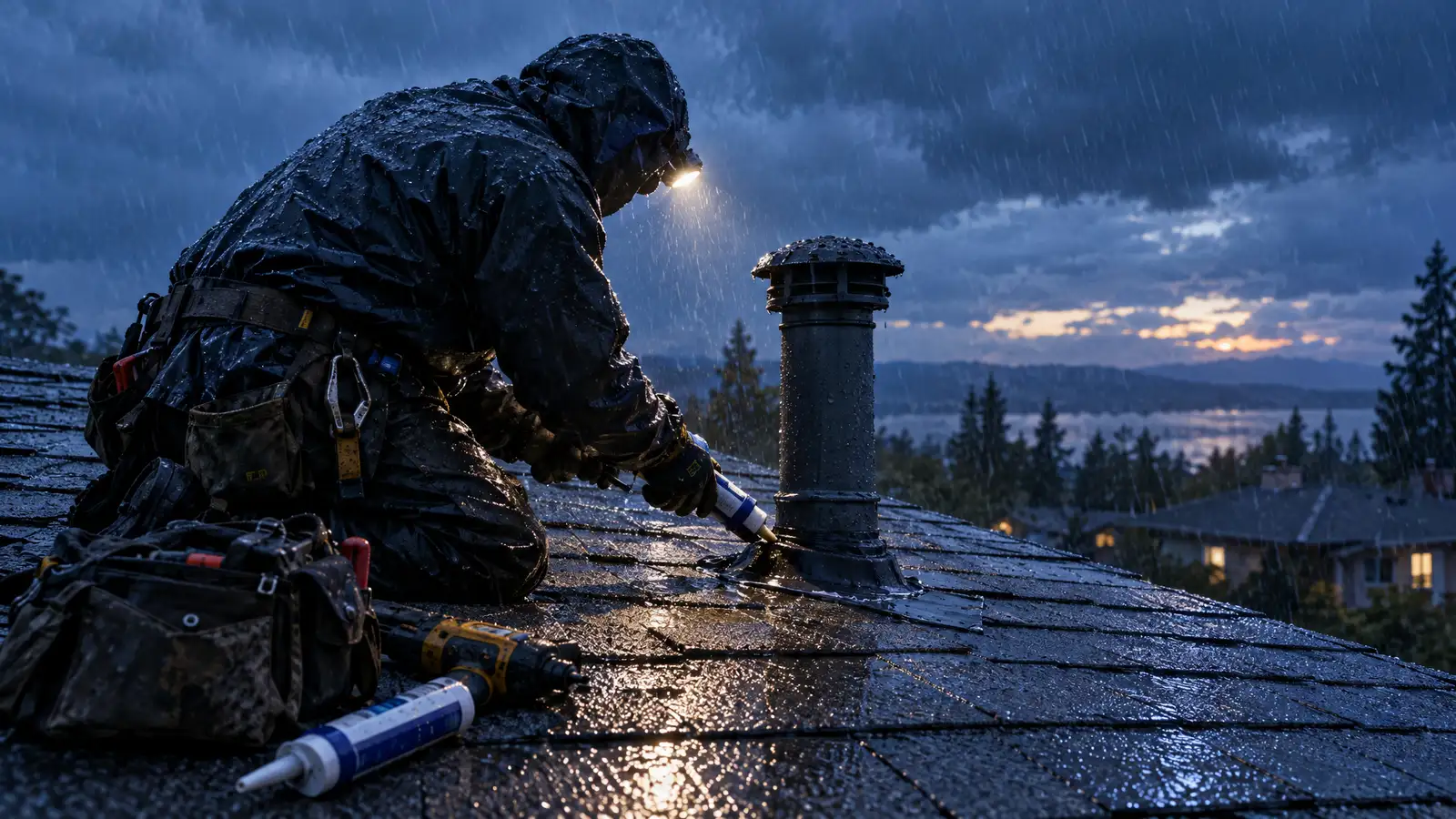 A-02Emergency ResponseEmergency Roof Leak RepairA leak that is soaking a ceiling or running down a wall needs the water stopped quickly and the source found, not just a bucket under the drip.Stage 1: Stop the water
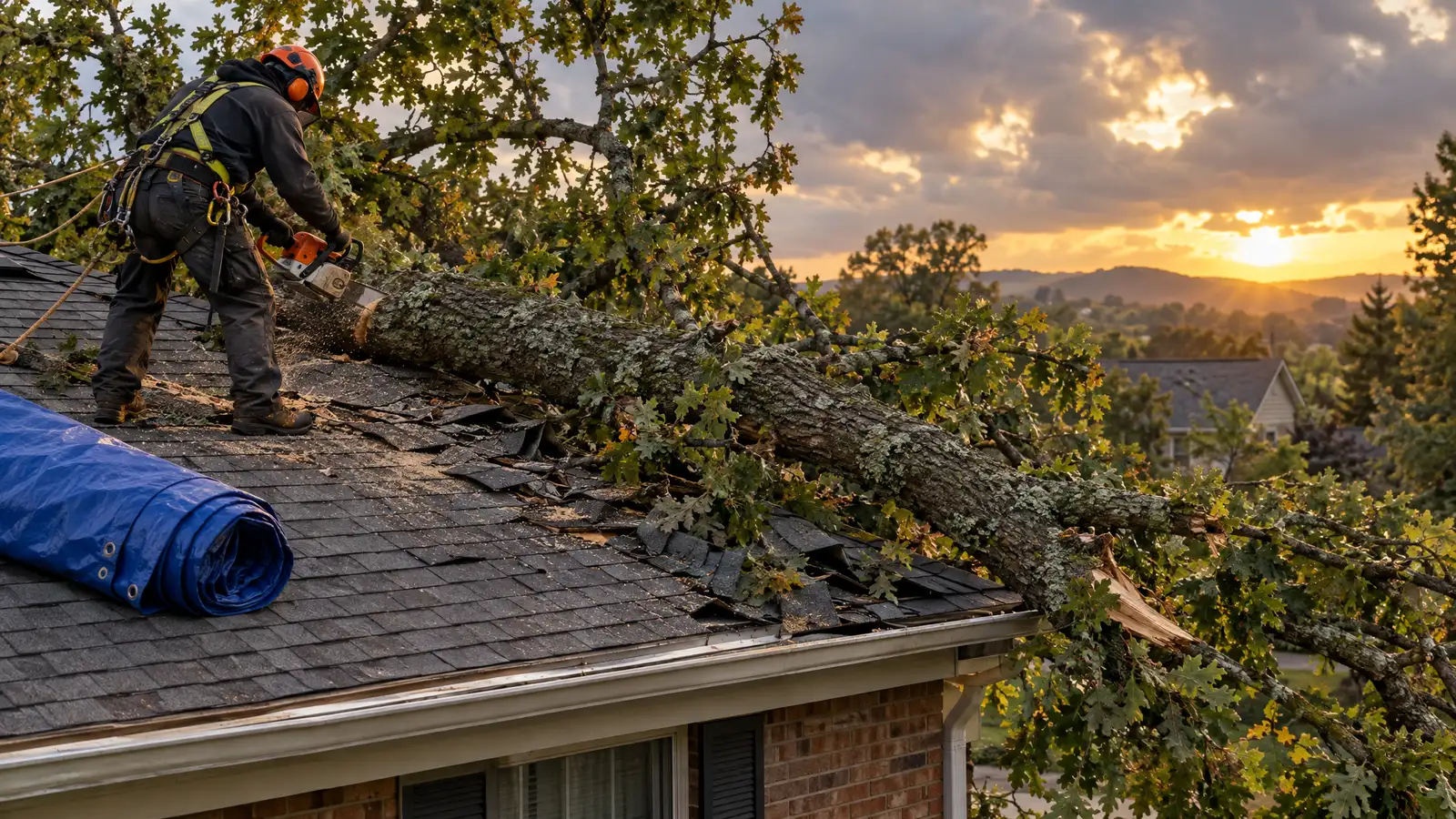 A-06Emergency ResponseFallen Tree on RoofWhen a tree or large limb lands on your home, the weight, the broken framing and the open roof all need careful, coordinated handling.Stage 1: Stop the water
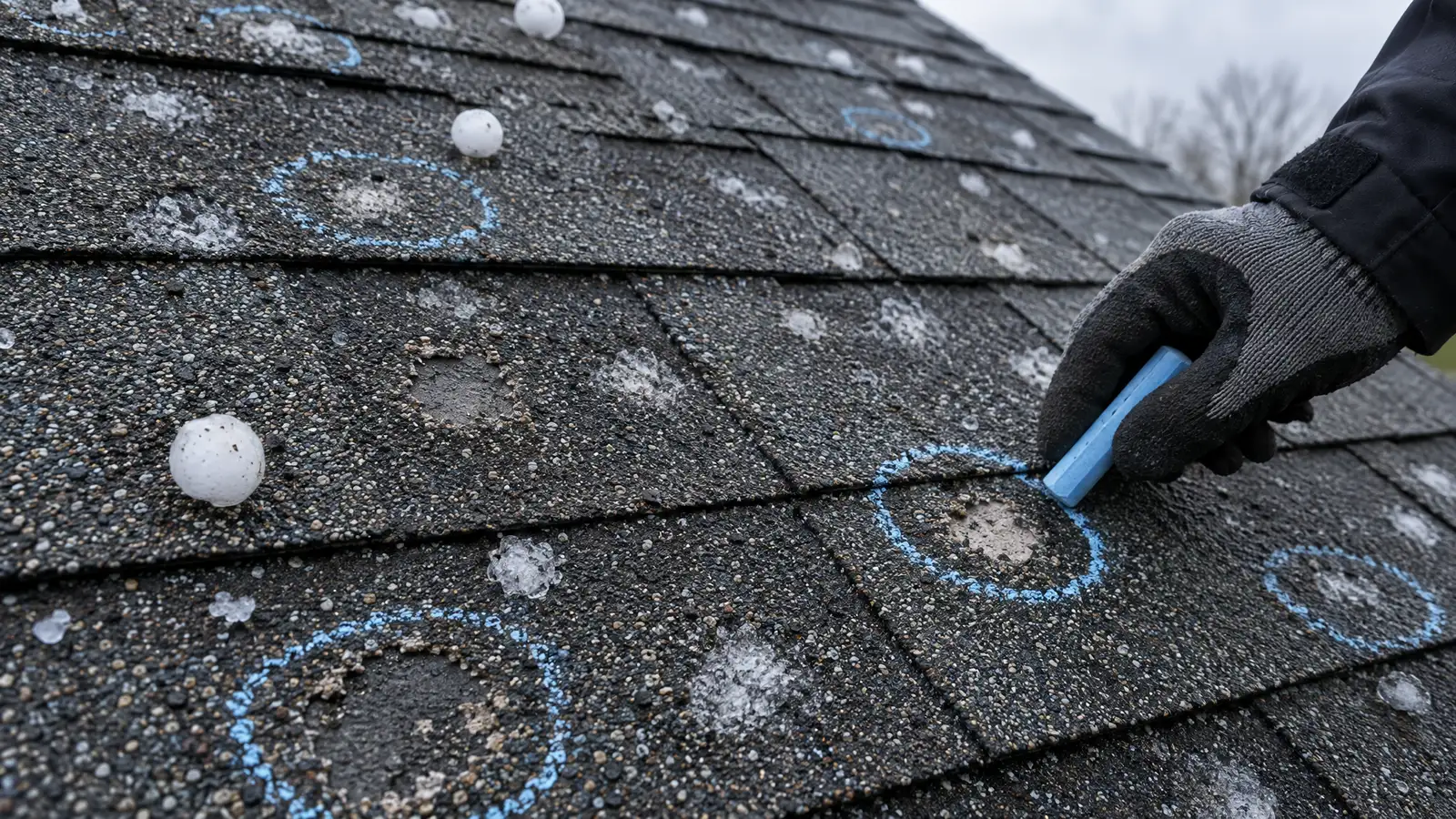 B-02Storm DamageHail Damage RepairHail leaves round bruises, cracked mats and bare spots that shorten a roof’s life even when nothing leaks yet.Stage 3: Repair it
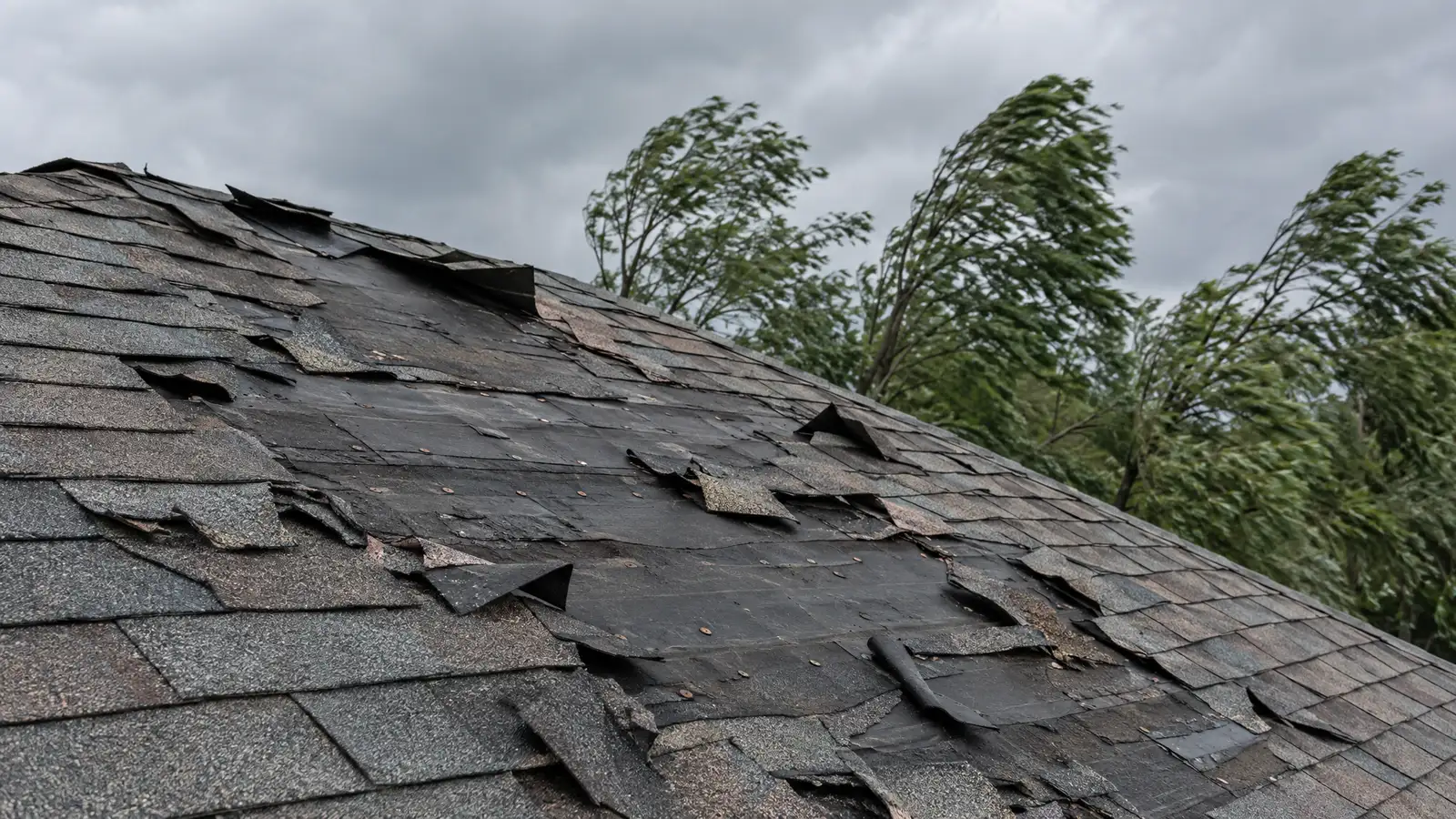 B-03Storm DamageWind Damage RepairWind lifts shingles at the edges and ridges first, then tears them away.Stage 3: Repair it
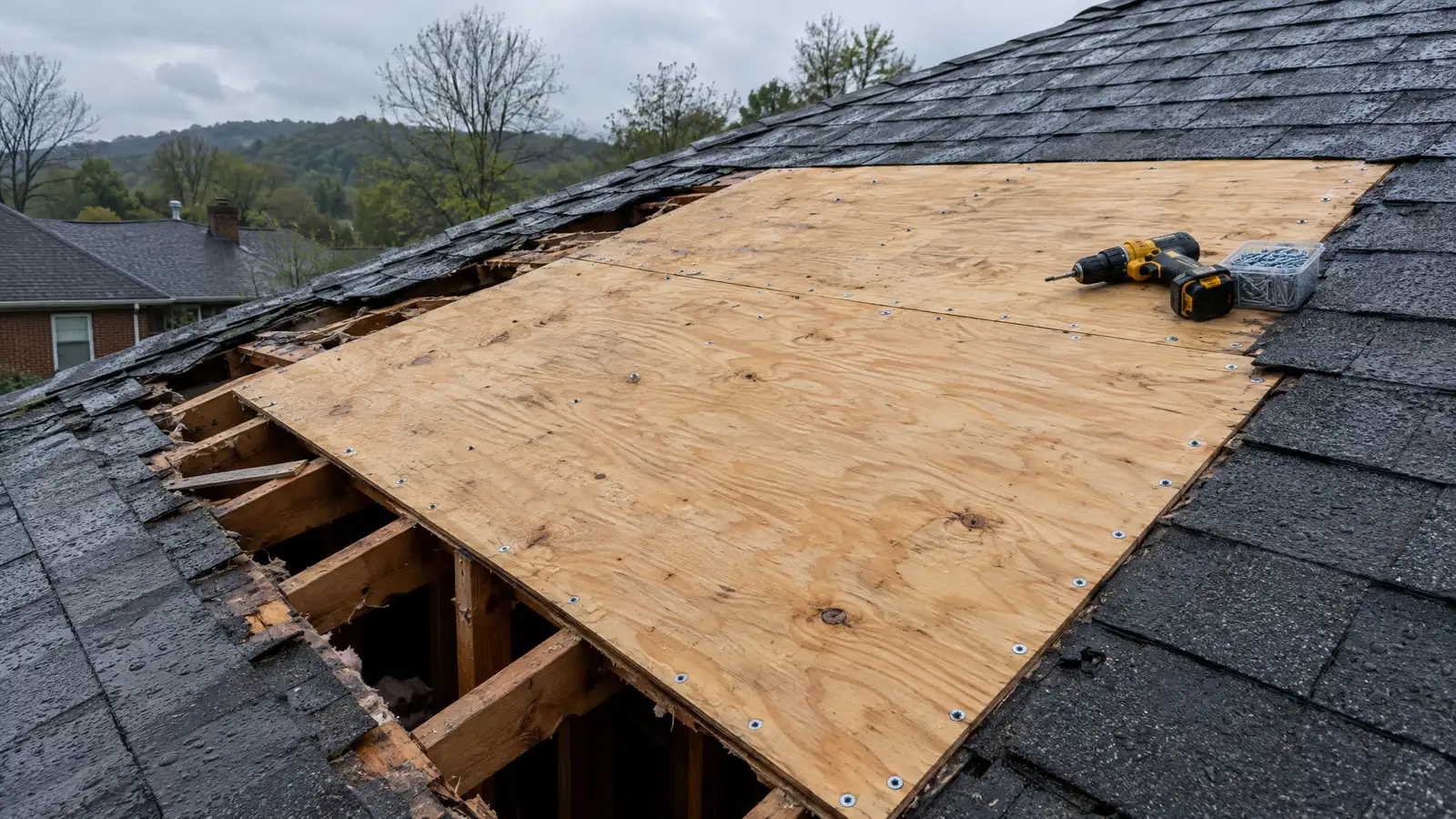 A-03Emergency ResponseEmergency Board-UpWhen a tree, fire or high wind leaves a hole in the roof deck, solid board-up and a covering membrane make the structure weather-tight again.Stage 1: Stop the water
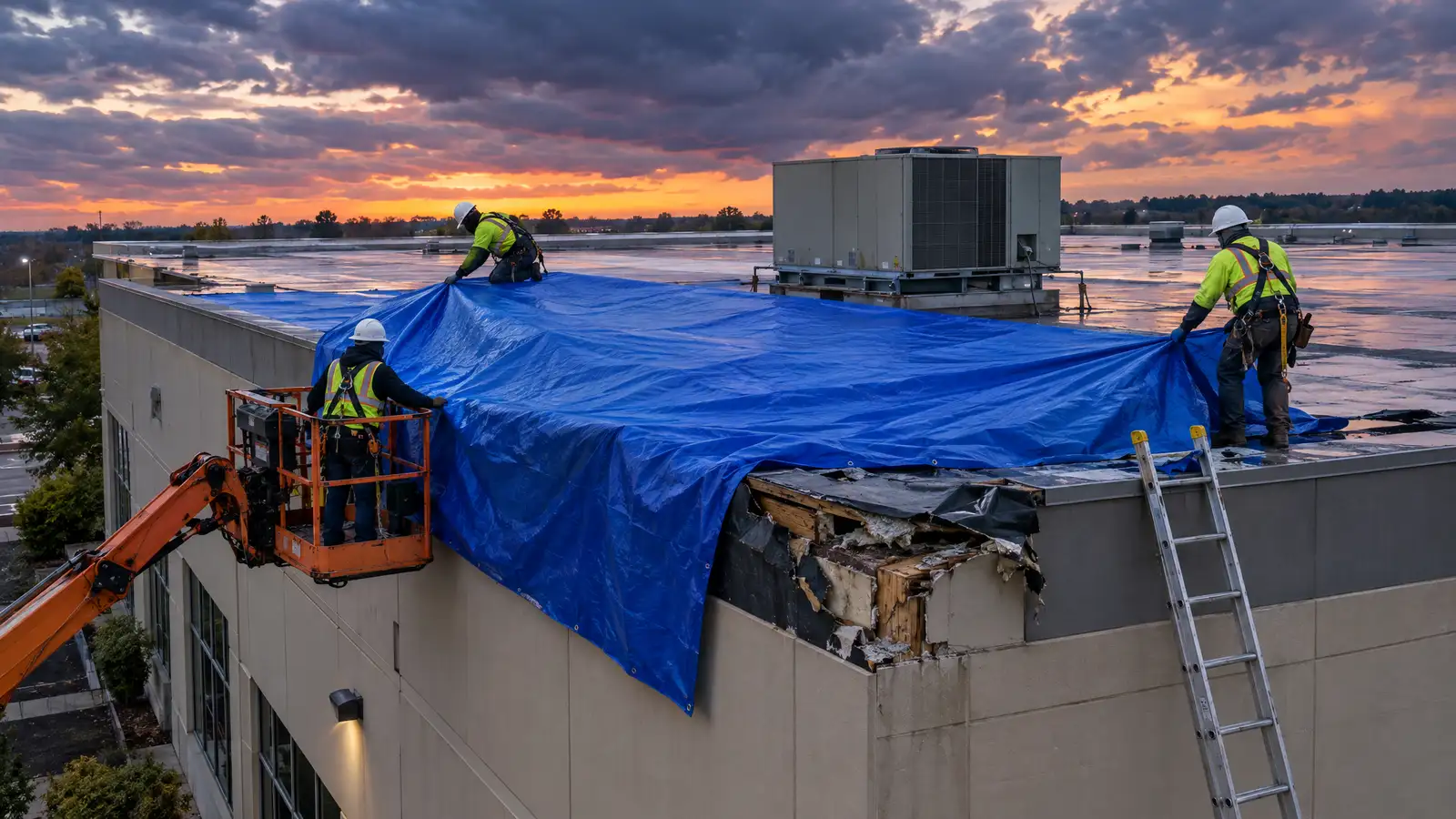 D-01CommercialCommercial Emergency TarpingA storm that opens a commercial roof threatens inventory, equipment and staff.Stage 1: Stop the water
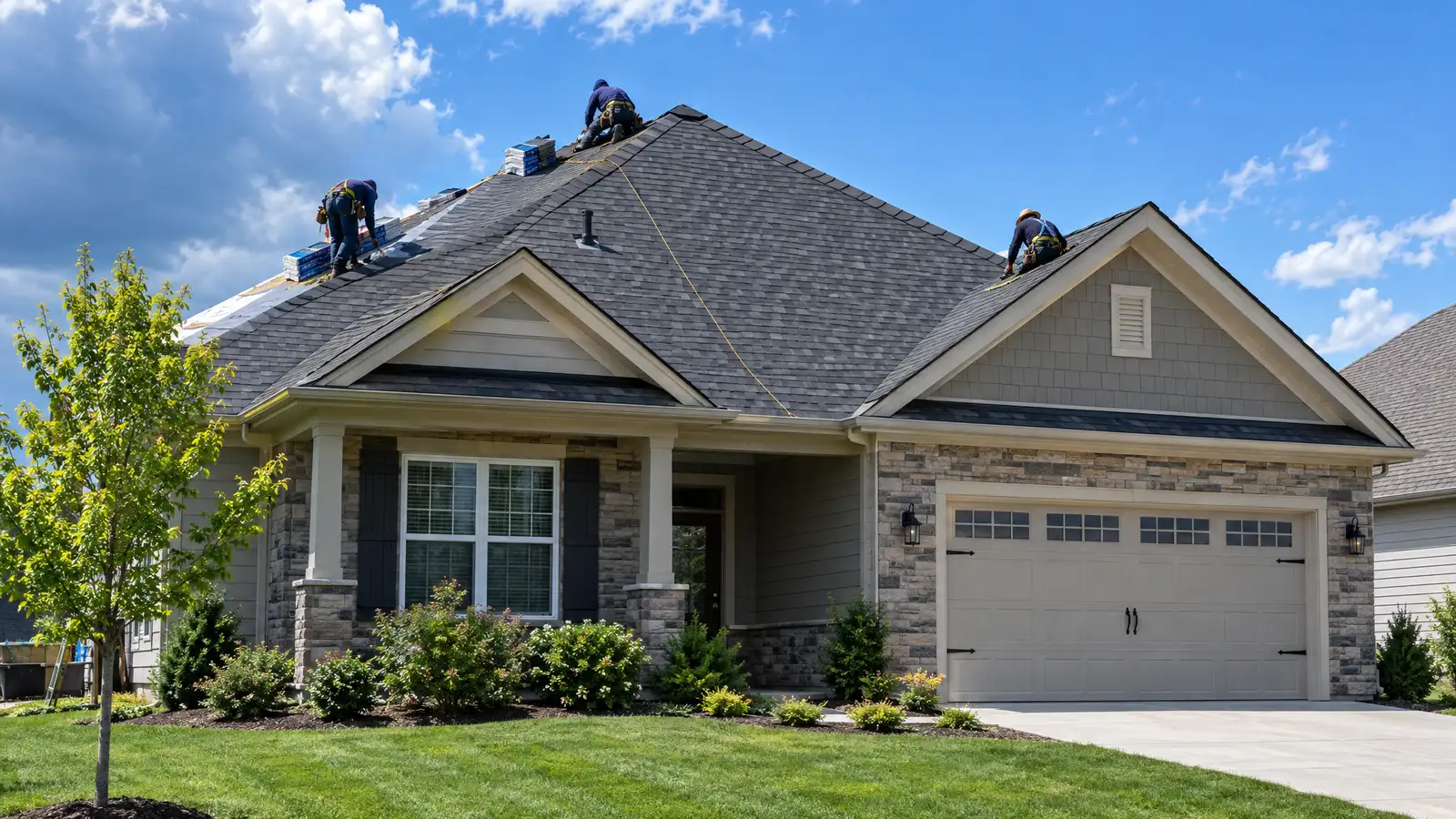 E-04Claims and RecoveryFull Roof ReplacementWhen hail or wind has damaged every slope, a full replacement is often the right answer.Stage 4: Rebuild
Wind, hail, falling trees and leaks hit different parts of a roof. Tap a damage point to see what it is and how we fix it.
Pick a storm, then tap a damage point on the house.
Wind lifts, creases and strips shingles; hail bruises them and cracks the mat beneath. A roof can look fine from the street and still be damaged across a whole slope.
Missing or creased tabs, round bruises, bare spots and granules in the gutters.
ServicesDrag the handle. Illustrative images of typical storm damage and the repaired result.
Tree on the roof to repaired roof
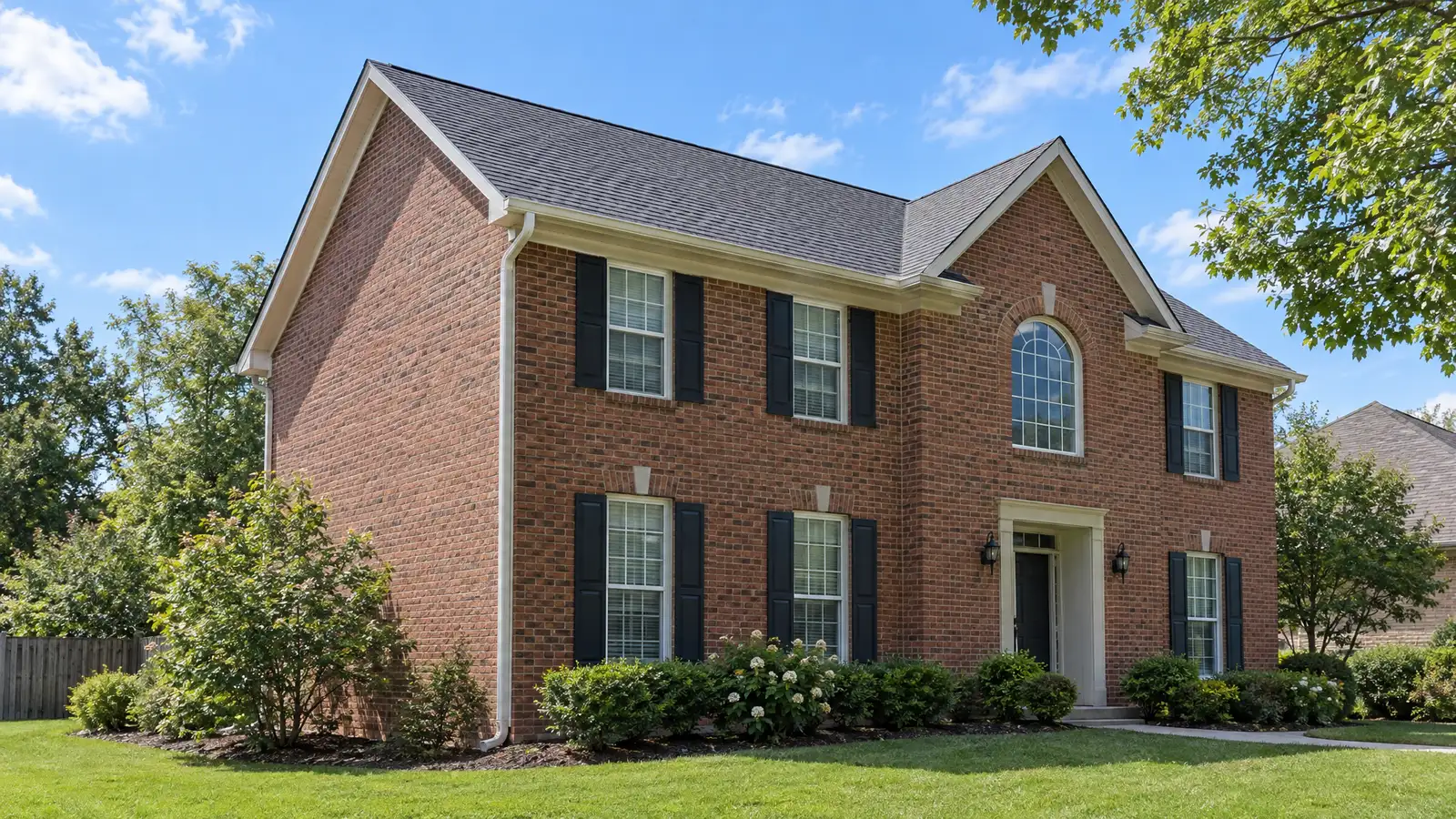
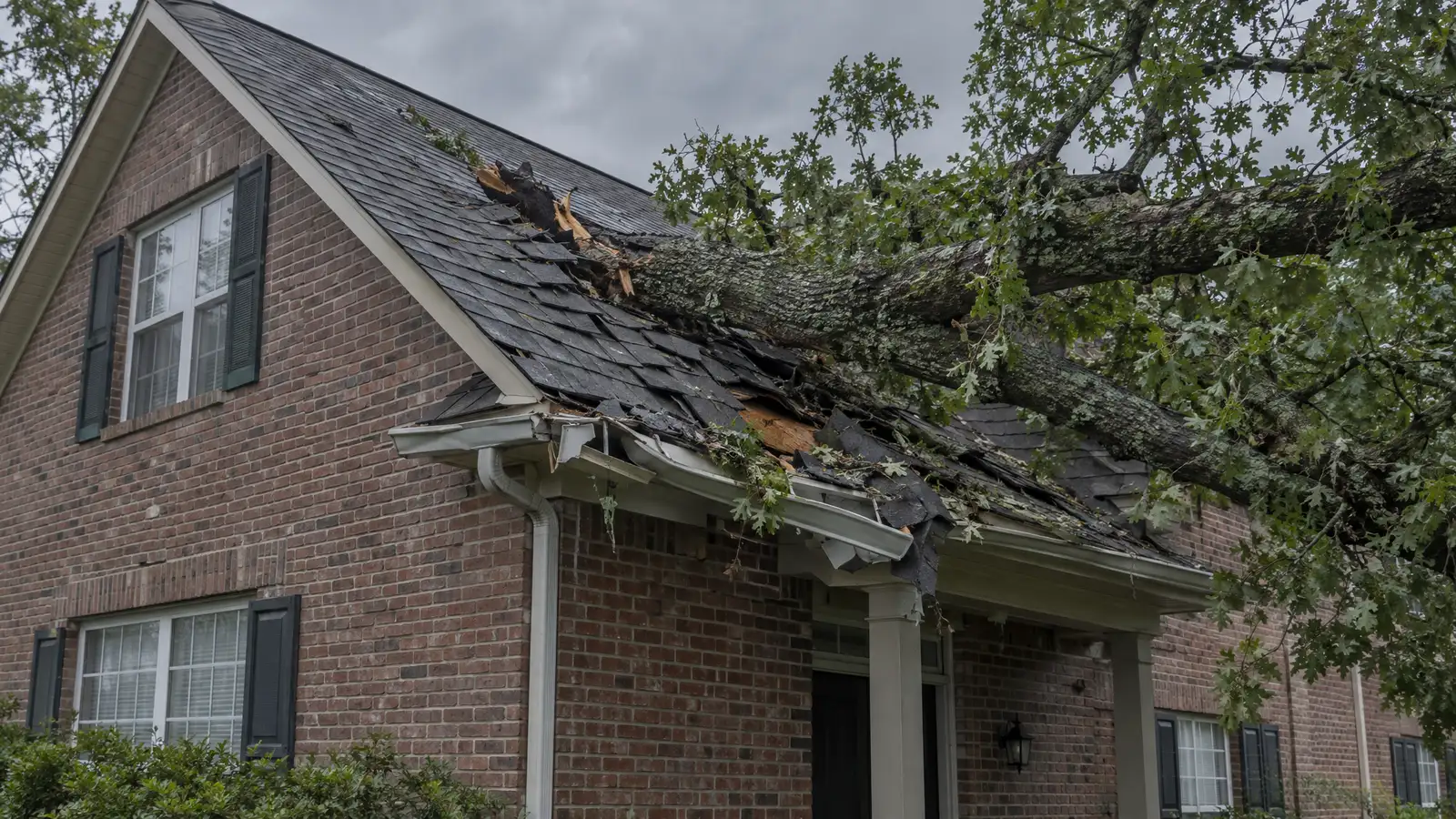 AfterBefore
Open hole to secured tarp
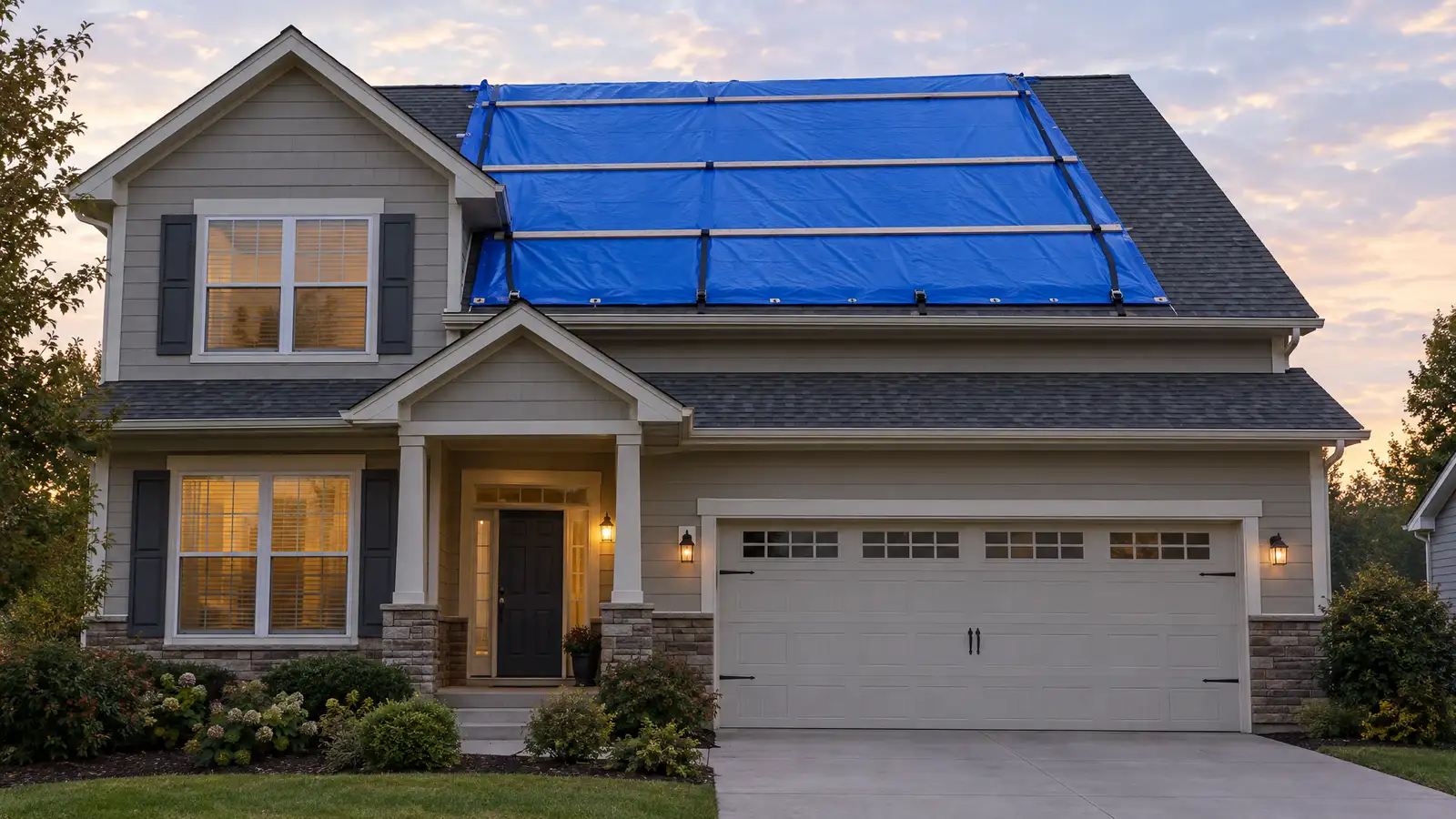
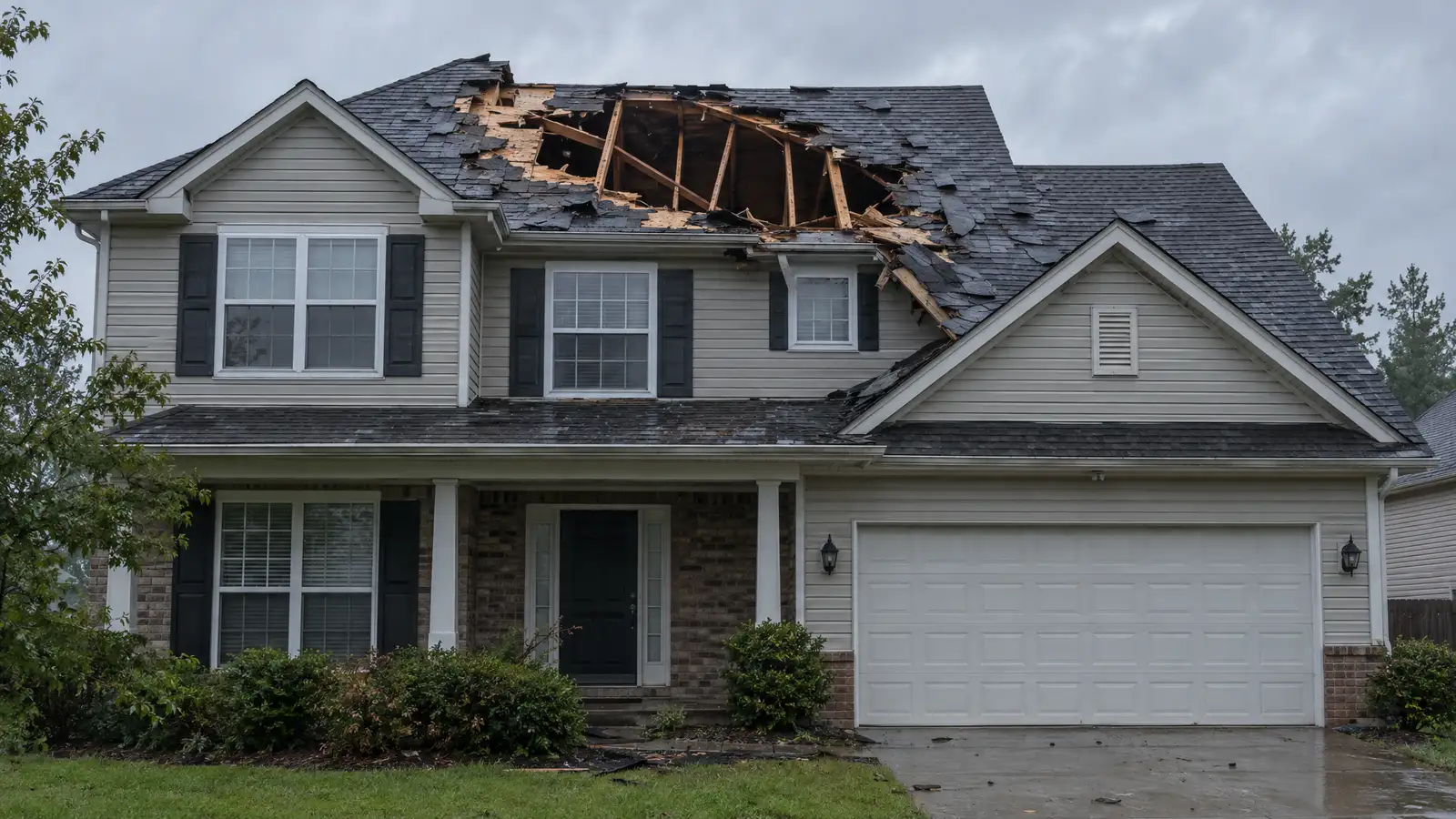 AfterBefore
Hail-bruised shingles to new roof
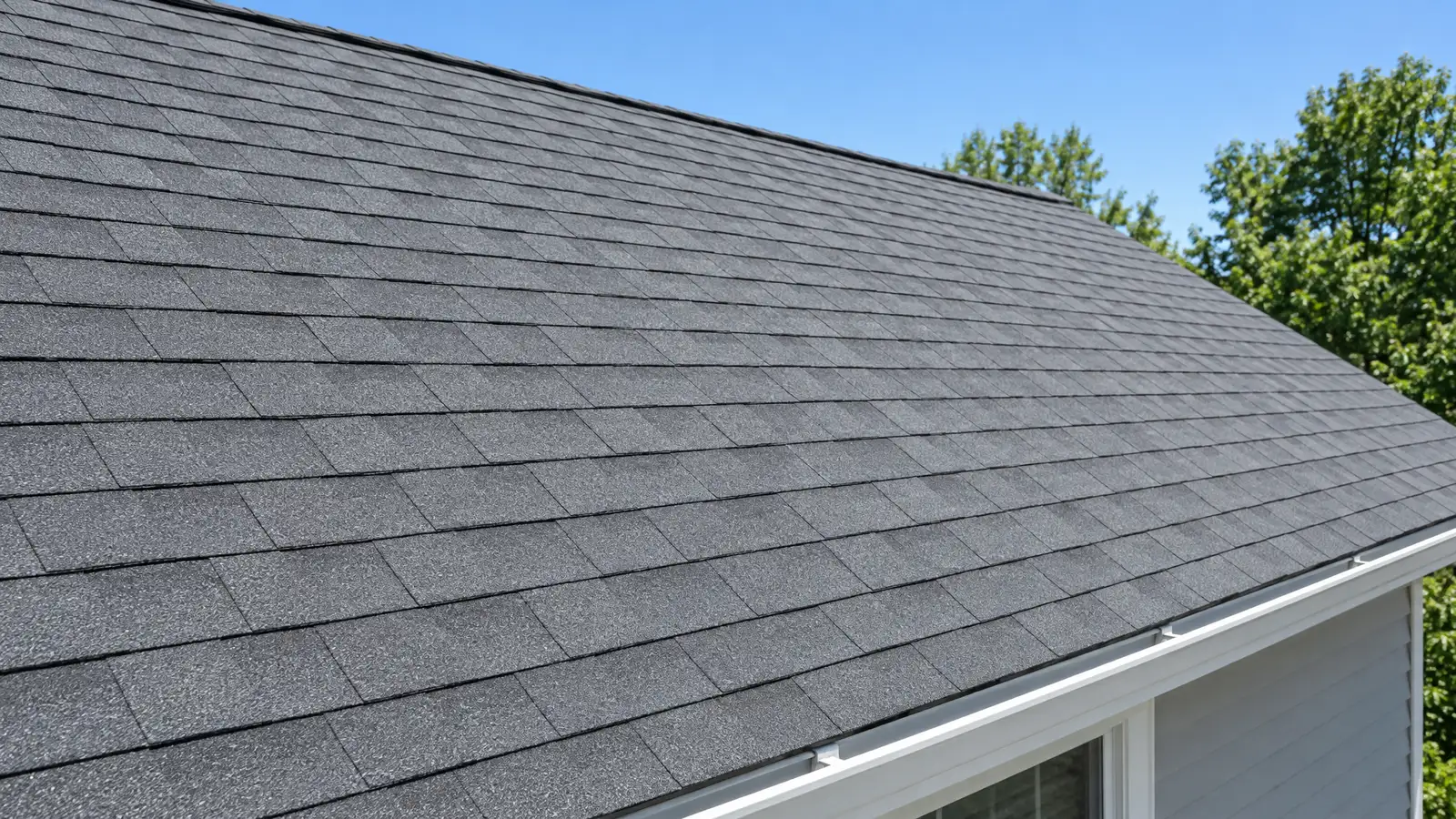
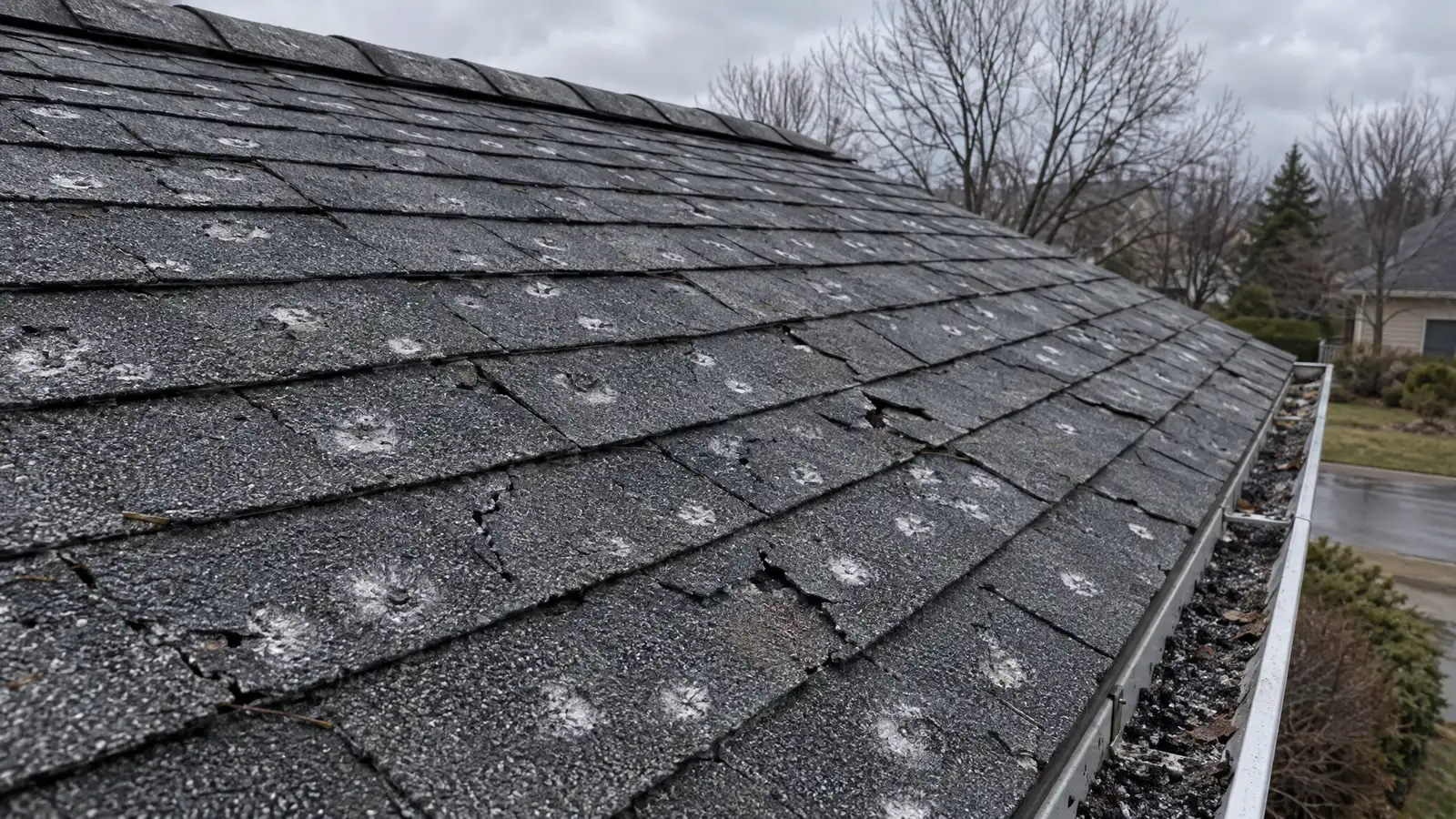 AfterBefore
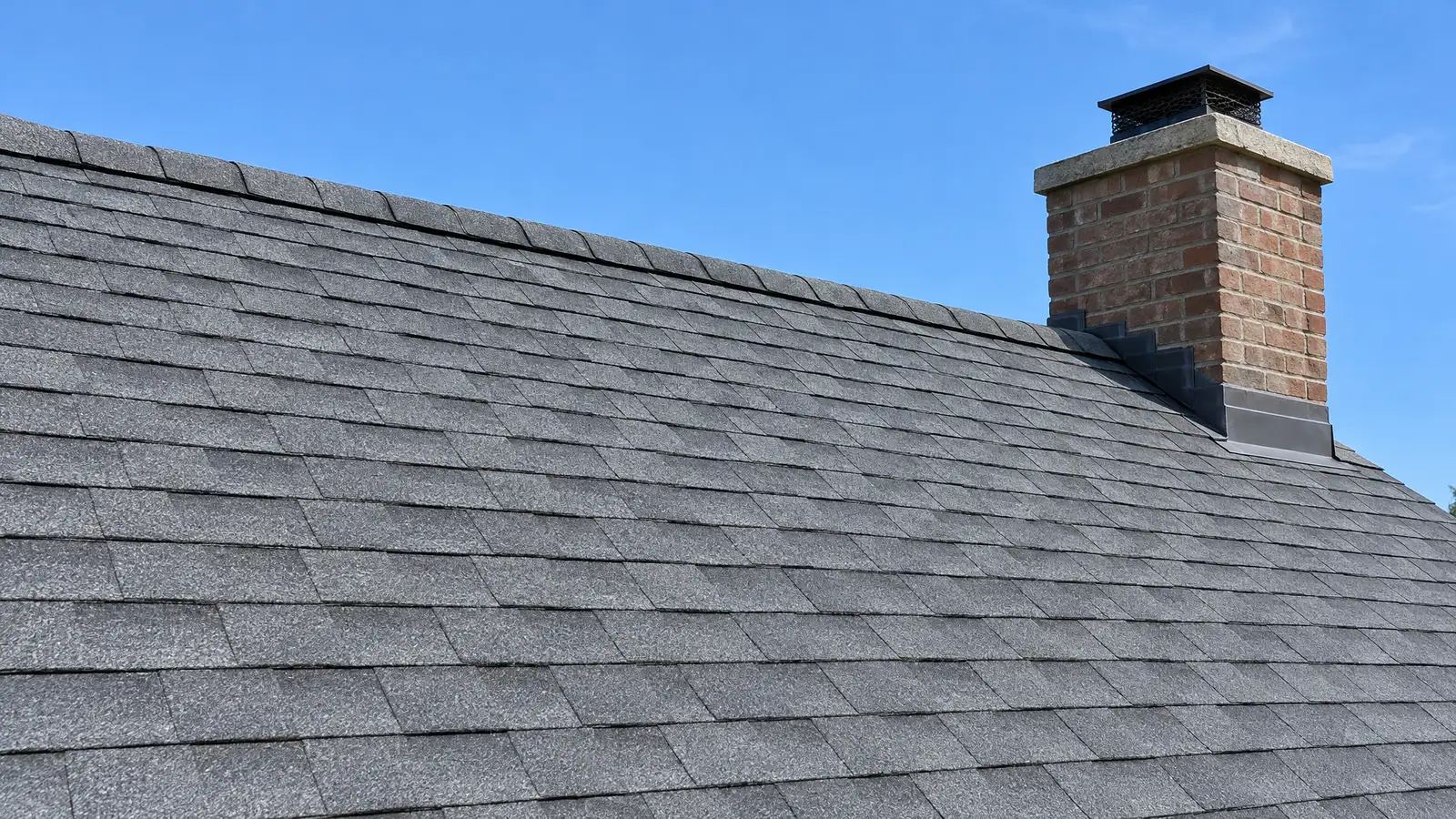
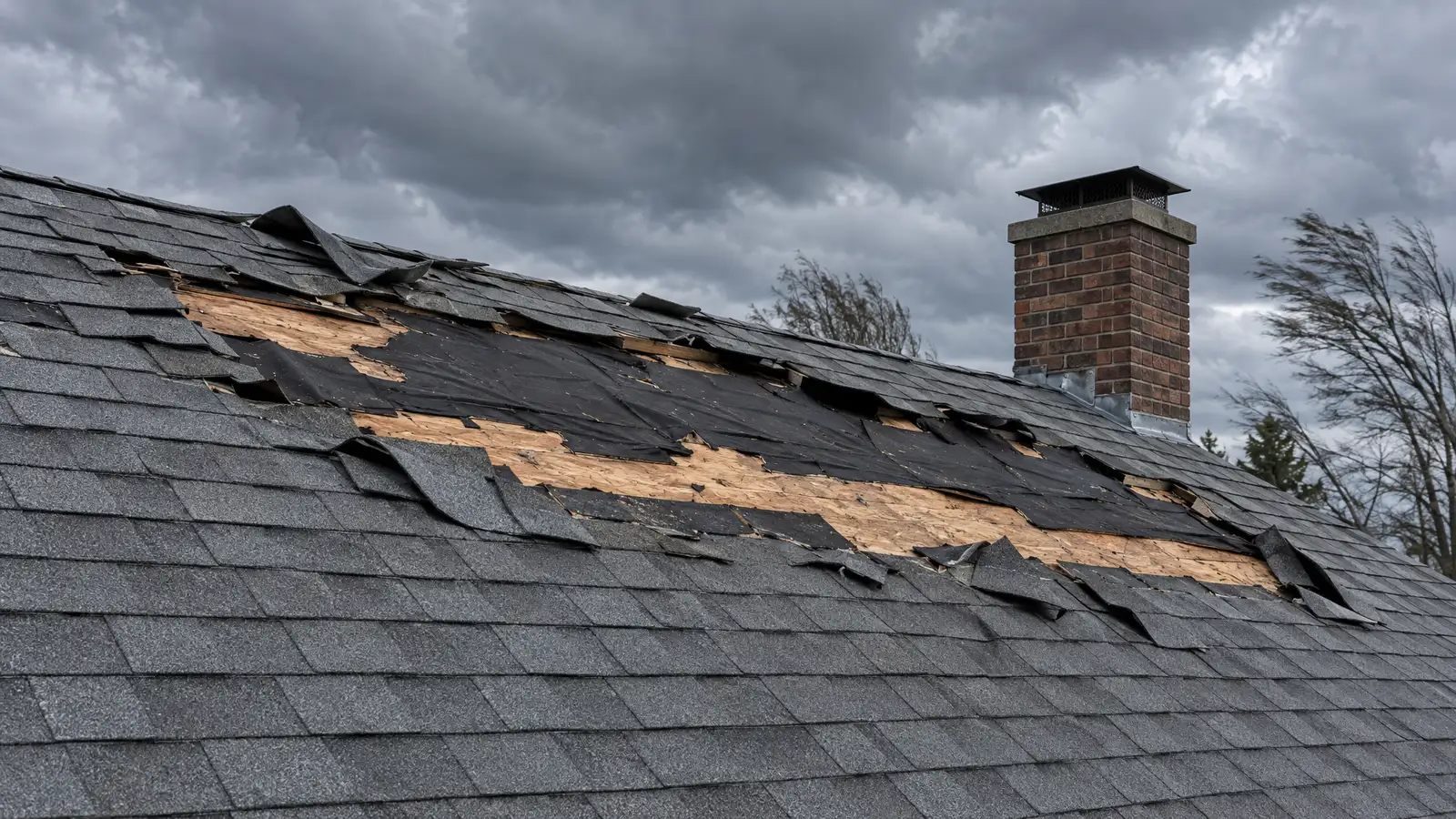
Wind-stripped roof to repaired roof
 AfterBefore
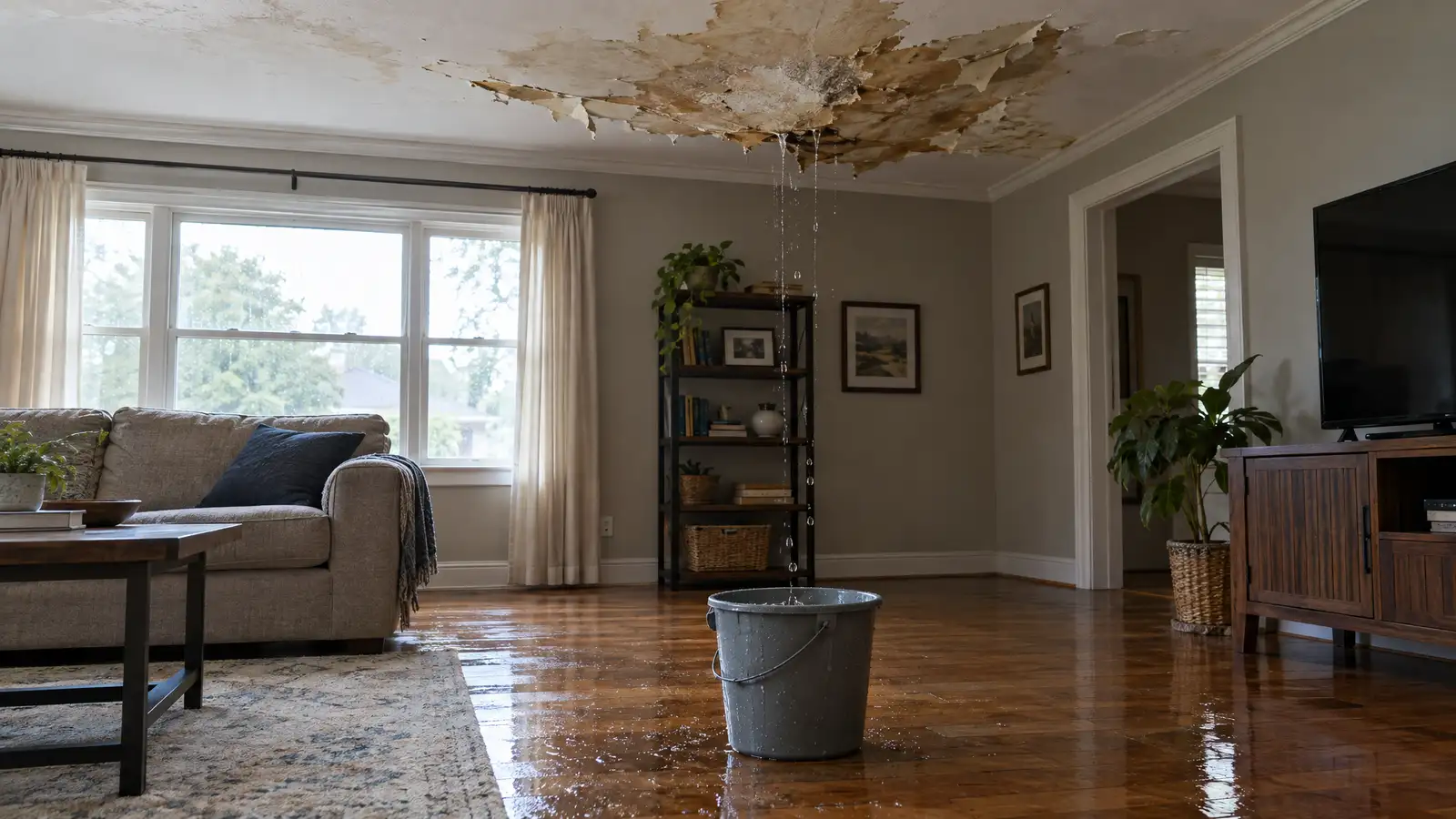
Water-stained ceiling to repaired ceiling

 AfterBefore
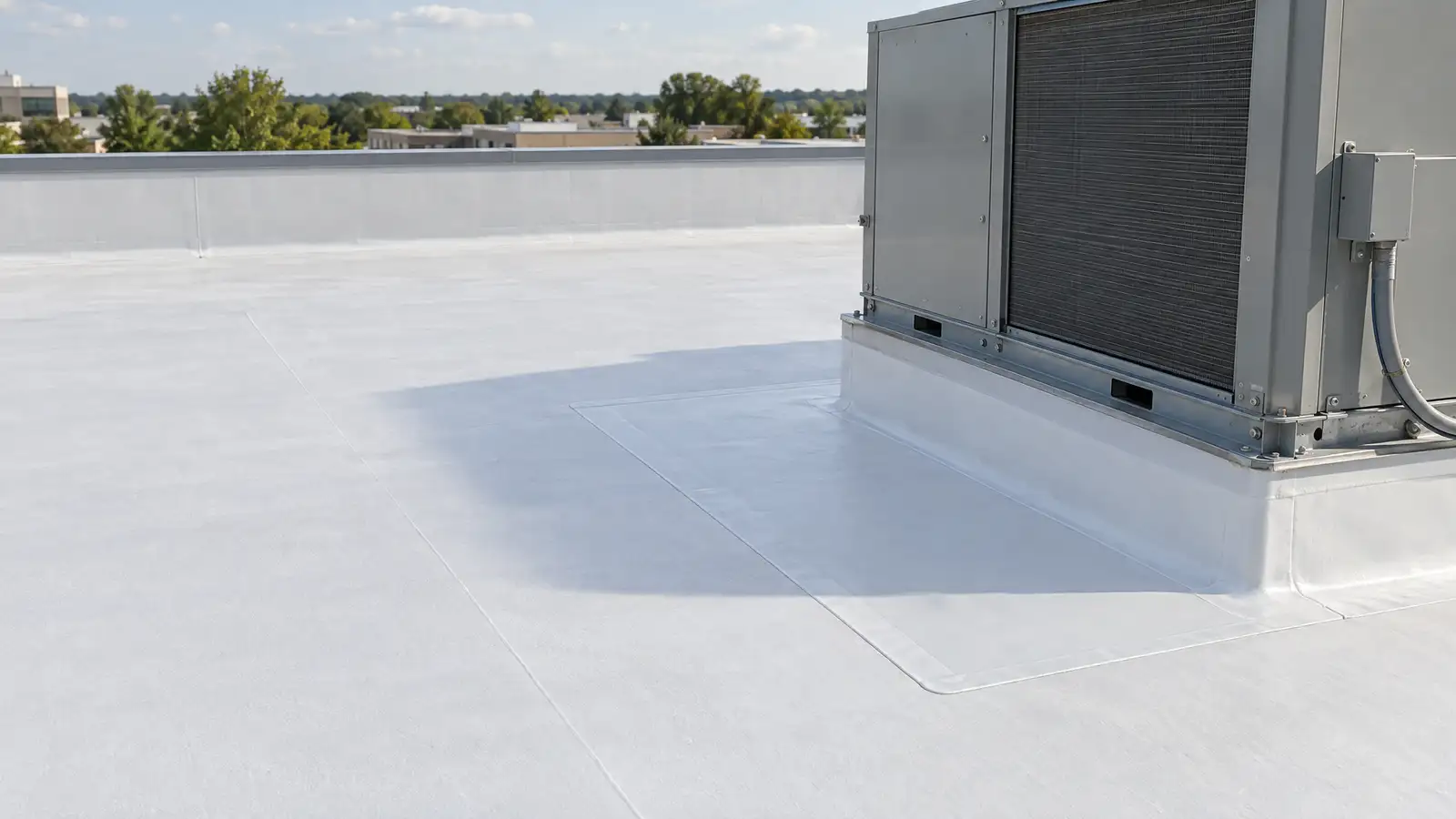
Ponding flat roof to repaired membrane
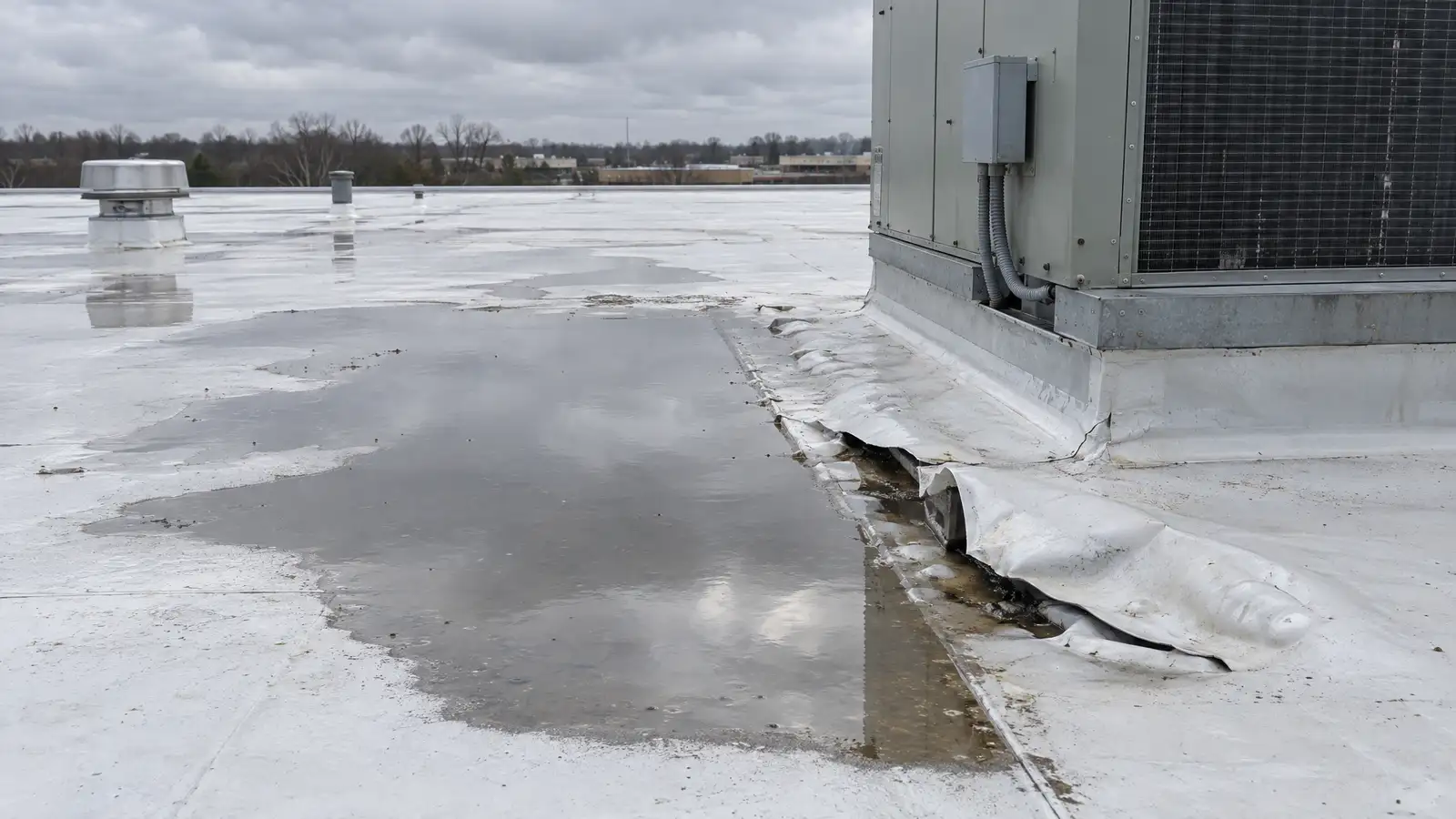 AfterBefore
Leaking chimney to new flashing
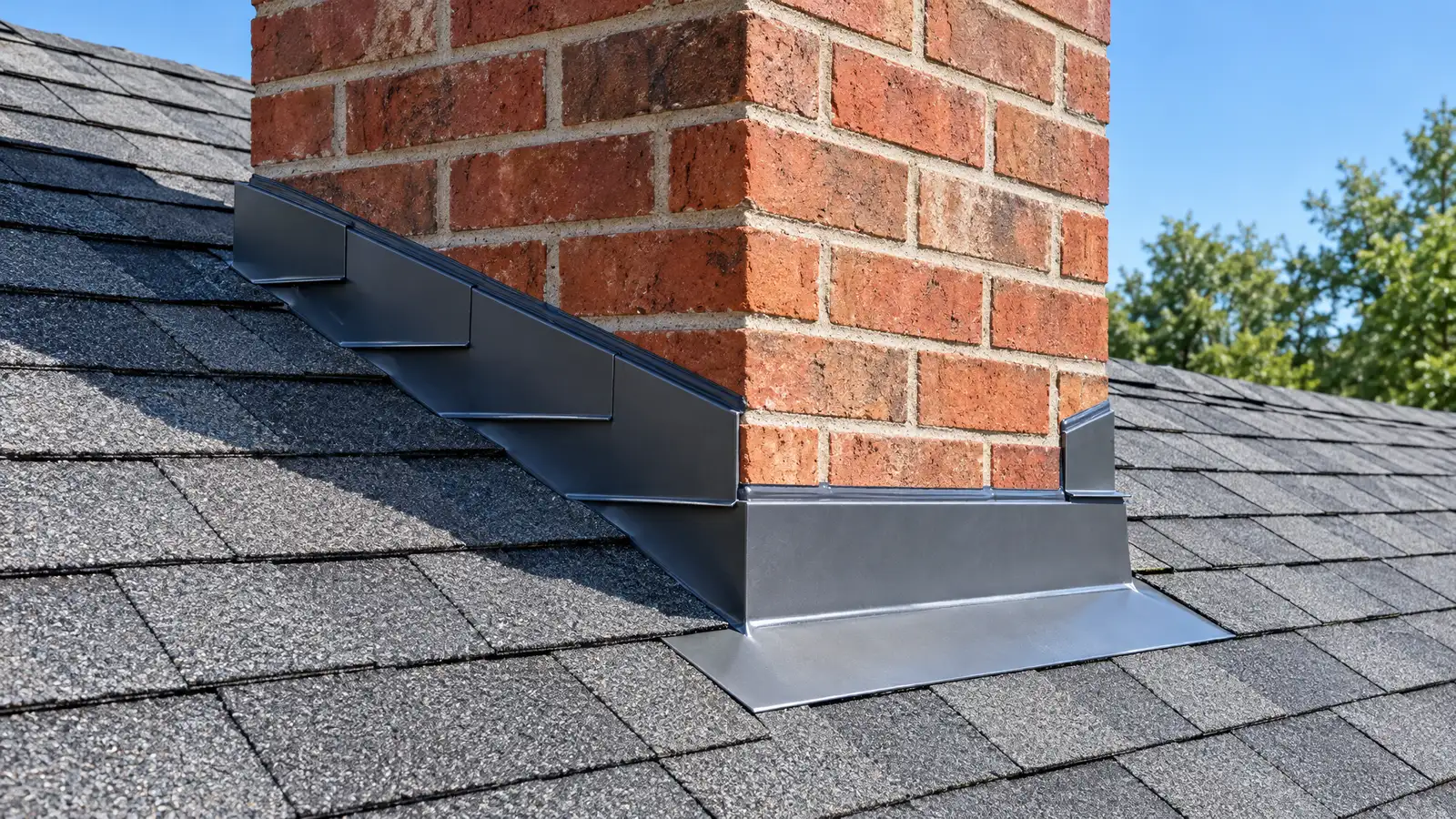
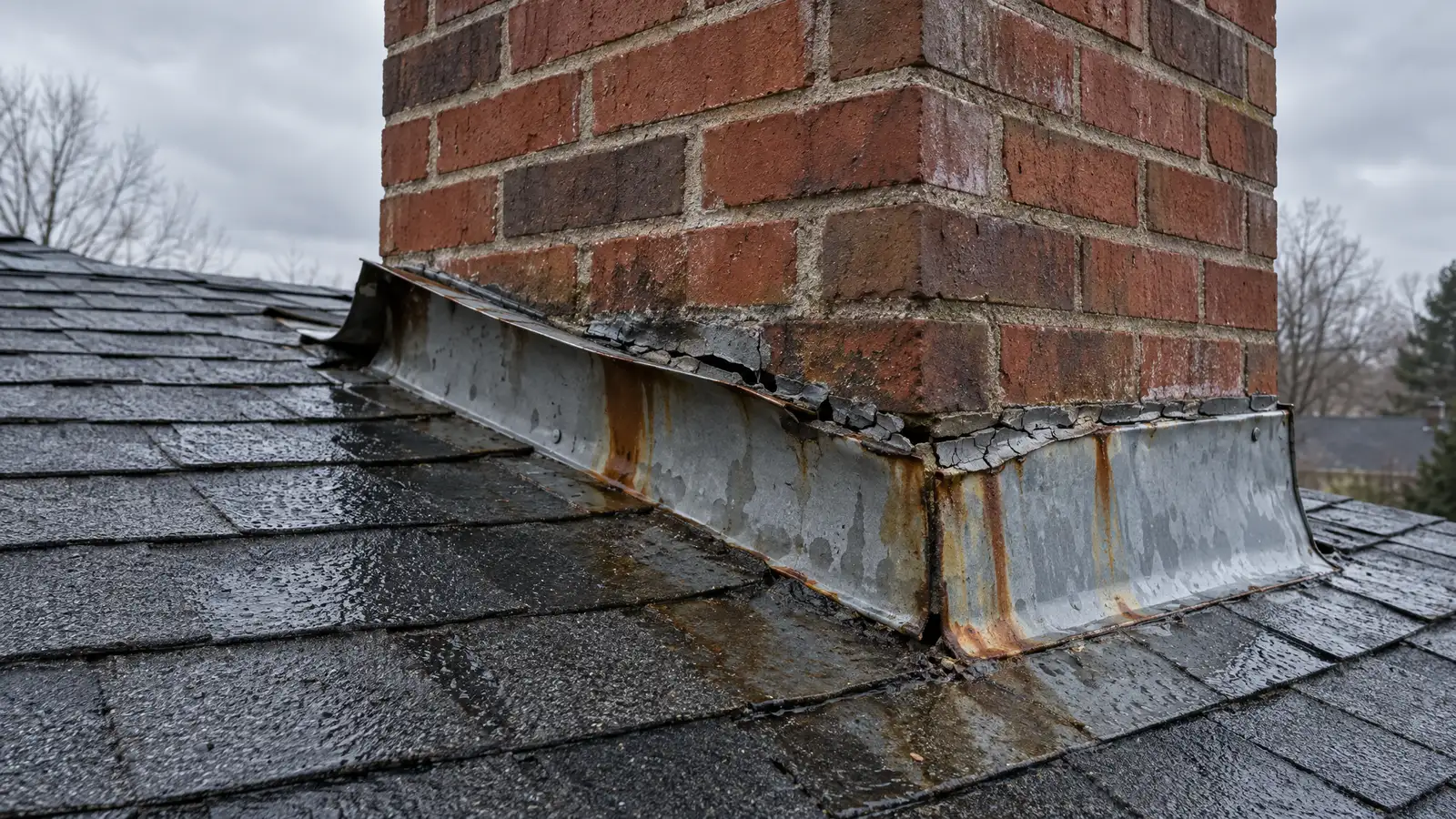 AfterBefore
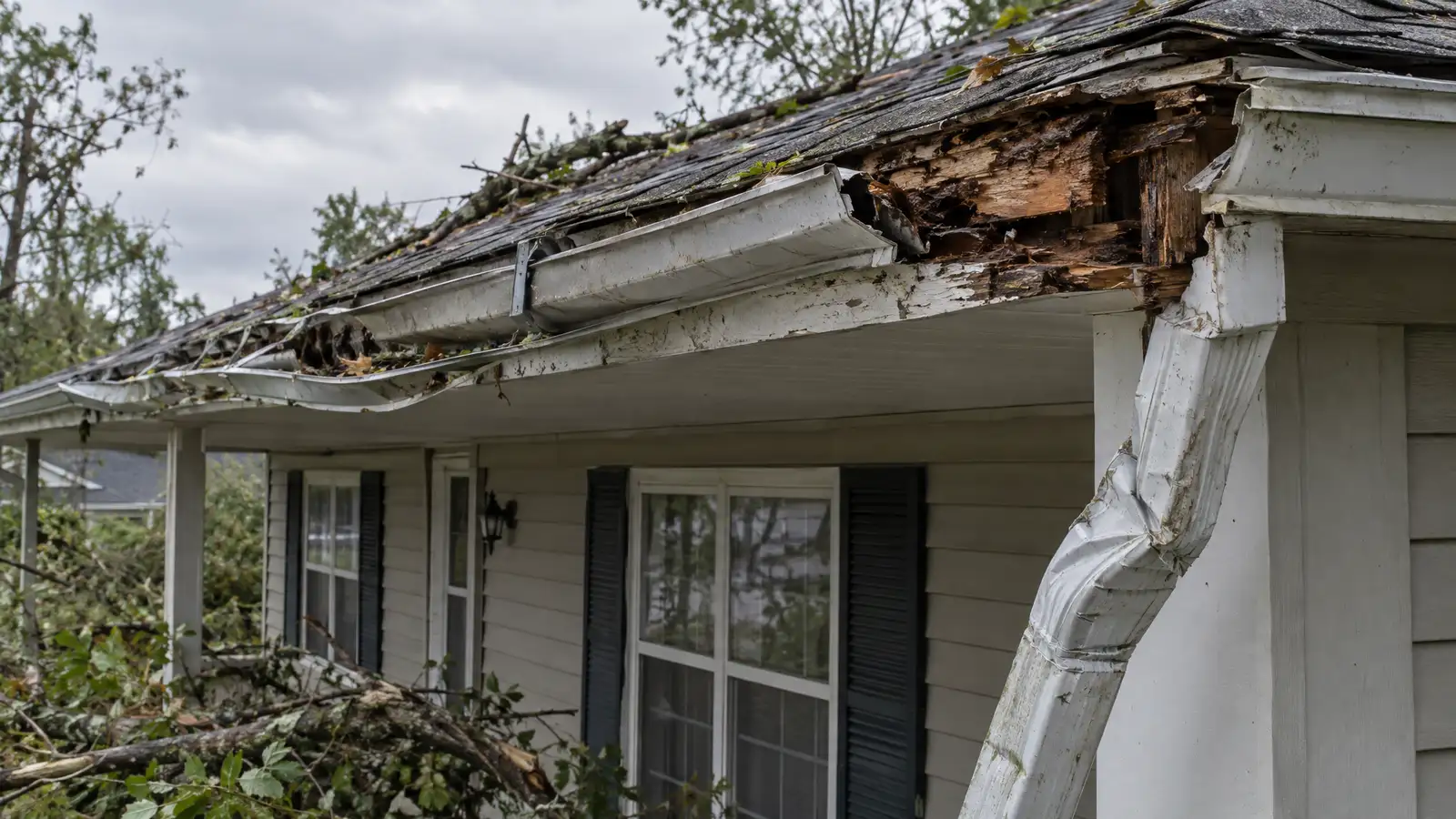
Torn gutter to restored roof edge
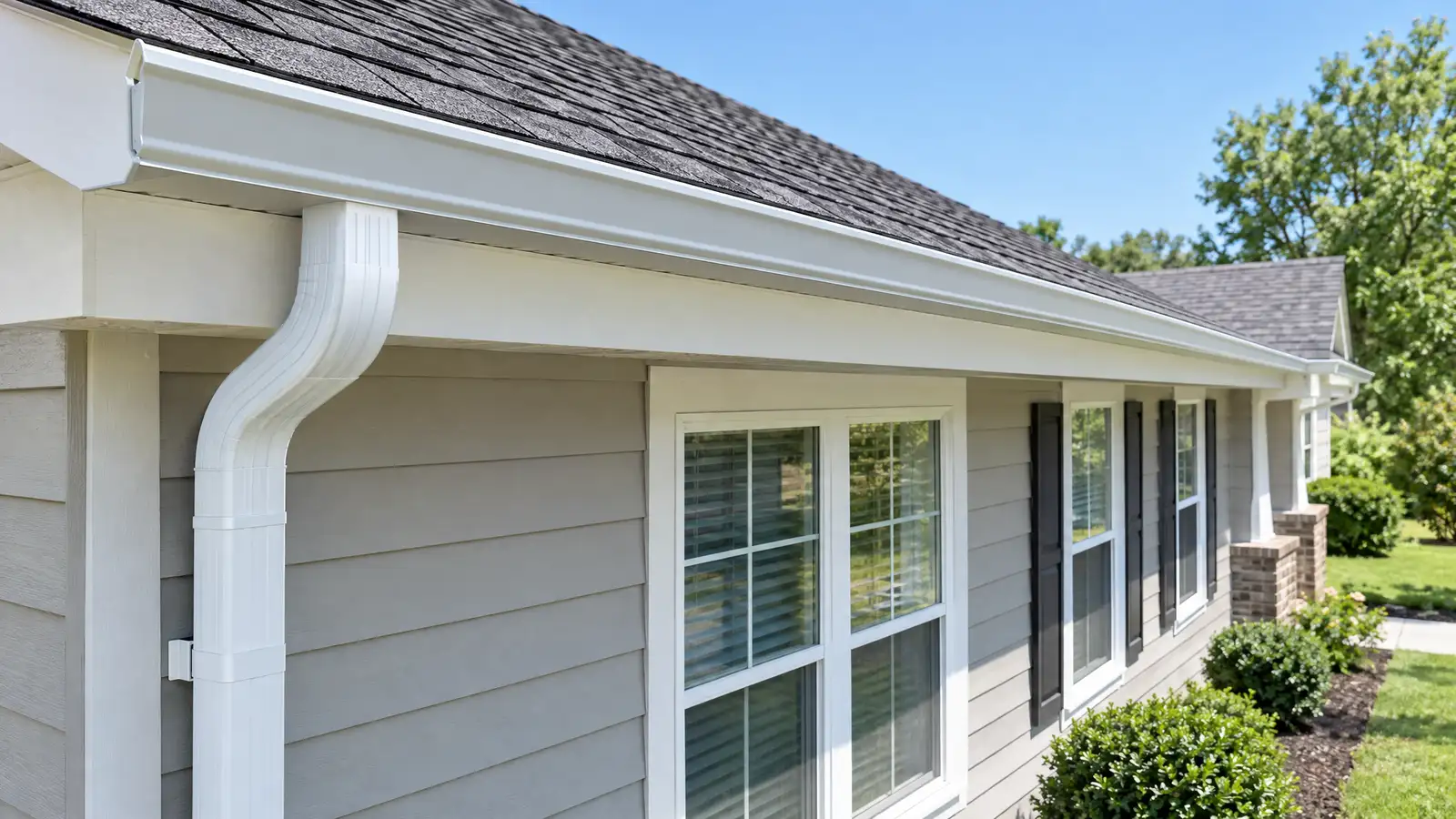
 AfterBefore
The same six steps, whether it is one tarp or a whole community.
Tell us what happened, where you see water and whether anyone is in danger.
We look for hazards first: lines, unstable framing and the safest way onto the roof.
Tarps, board-up and seals go on so water stops entering the building.
Damage, the cover and the roof beneath are photographed and described.
We repair or replace what the storm damaged, in the right order.
The work is checked, the site is cleaned and you get your photos and notes.
Eight triage tools, calculators and checklists for roof owners. No sign-up, no email.
Door-to-door pressure, big upfront payments and promises about your claim are warning signs. Read the guide and run any contractor through the checker.
Thirty-six plain-English guides on roof emergencies, storm damage, claims and safety.
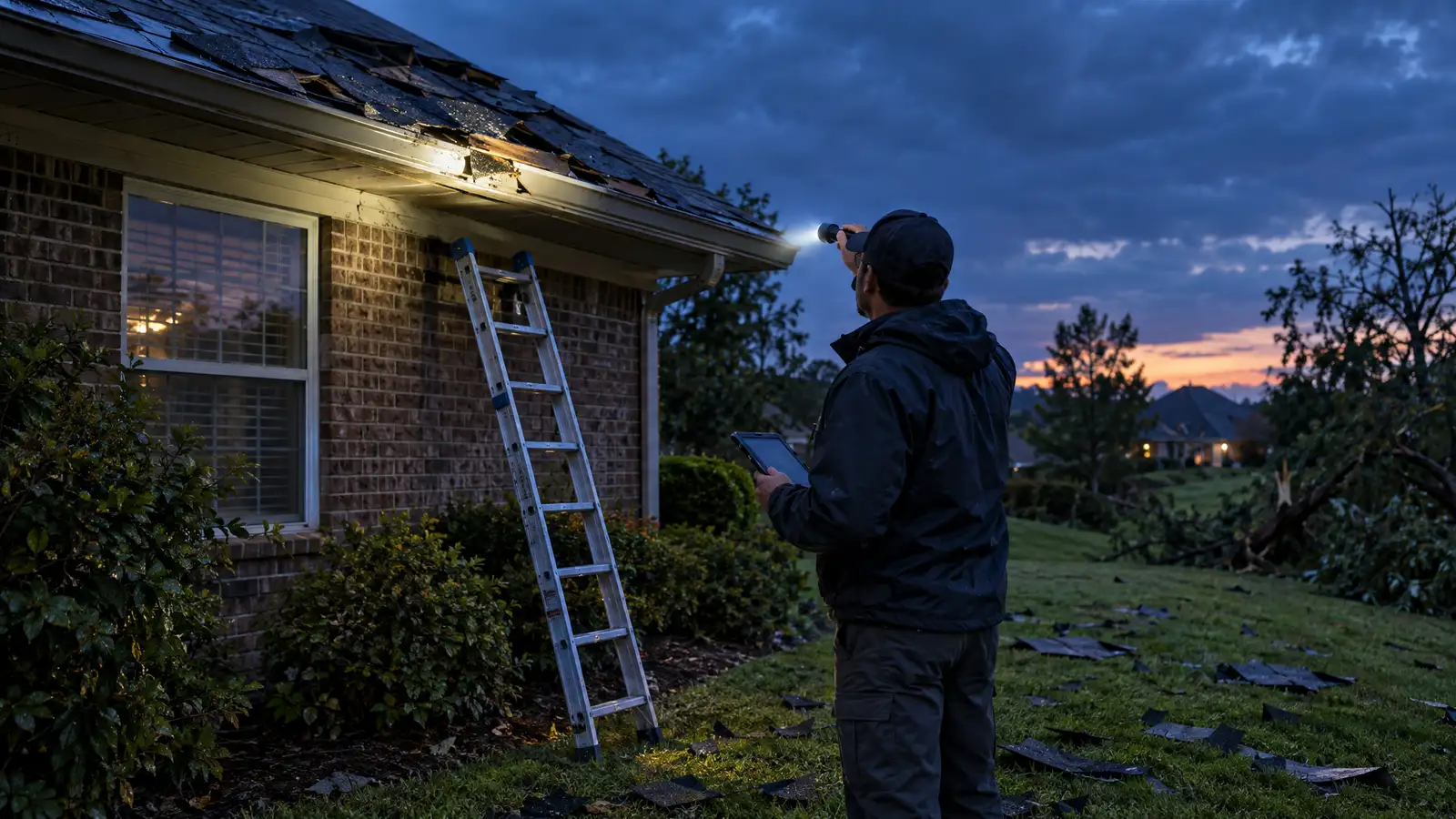 What Counts as a Roof Emergency?How to tell a roof problem that can wait from one that cannot.2 min read What to Do When Your Roof Is LeakingA calm, step-by-step guide to the first things to do when water comes through.2 min read How Emergency Roof Tarping WorksWhat a proper tarp job involves, and why a good one stays on.2 min read
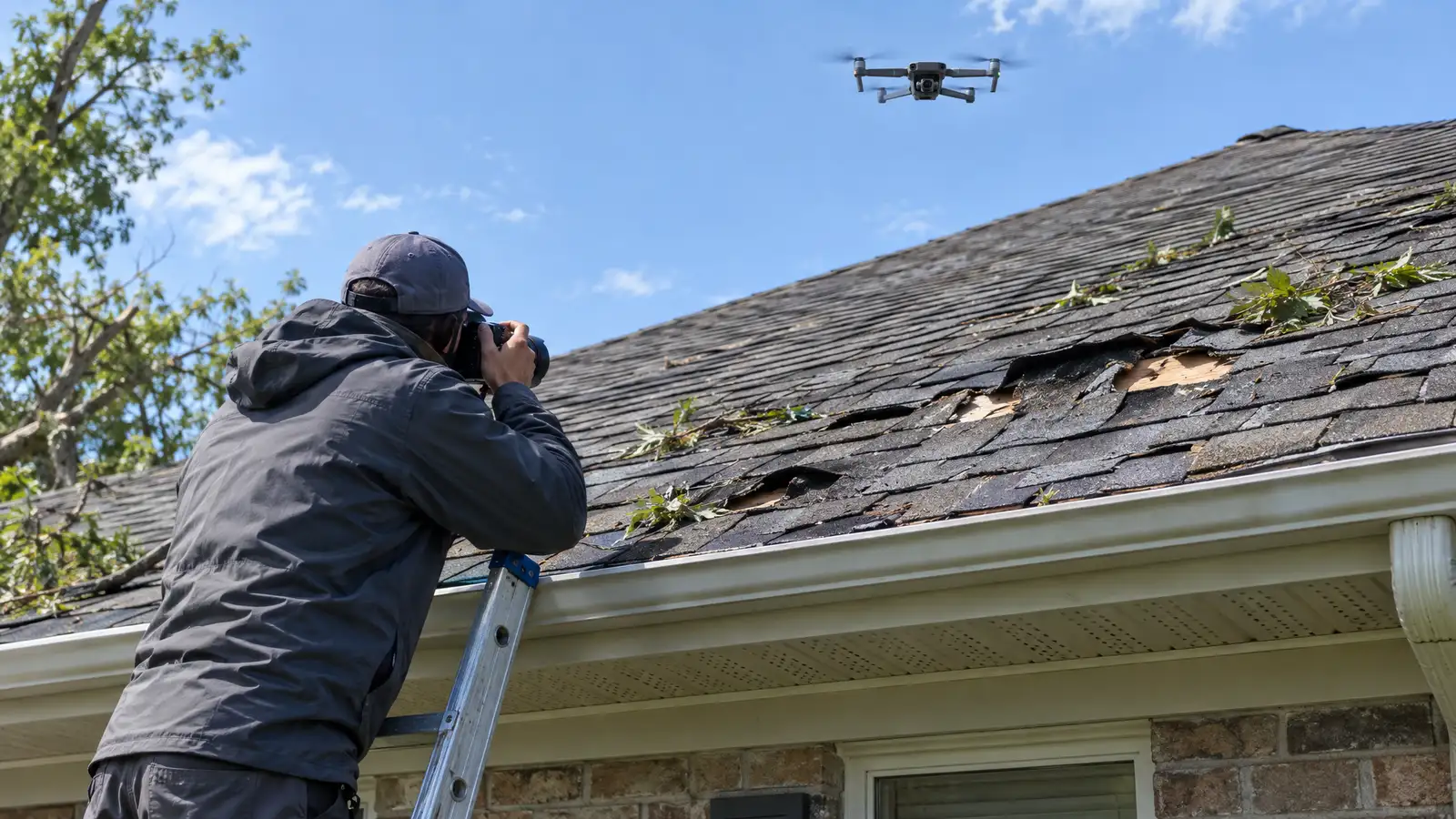 How to Spot a Storm Chaser RooferWarning signs of contractors who follow storms and disappear.2 min read
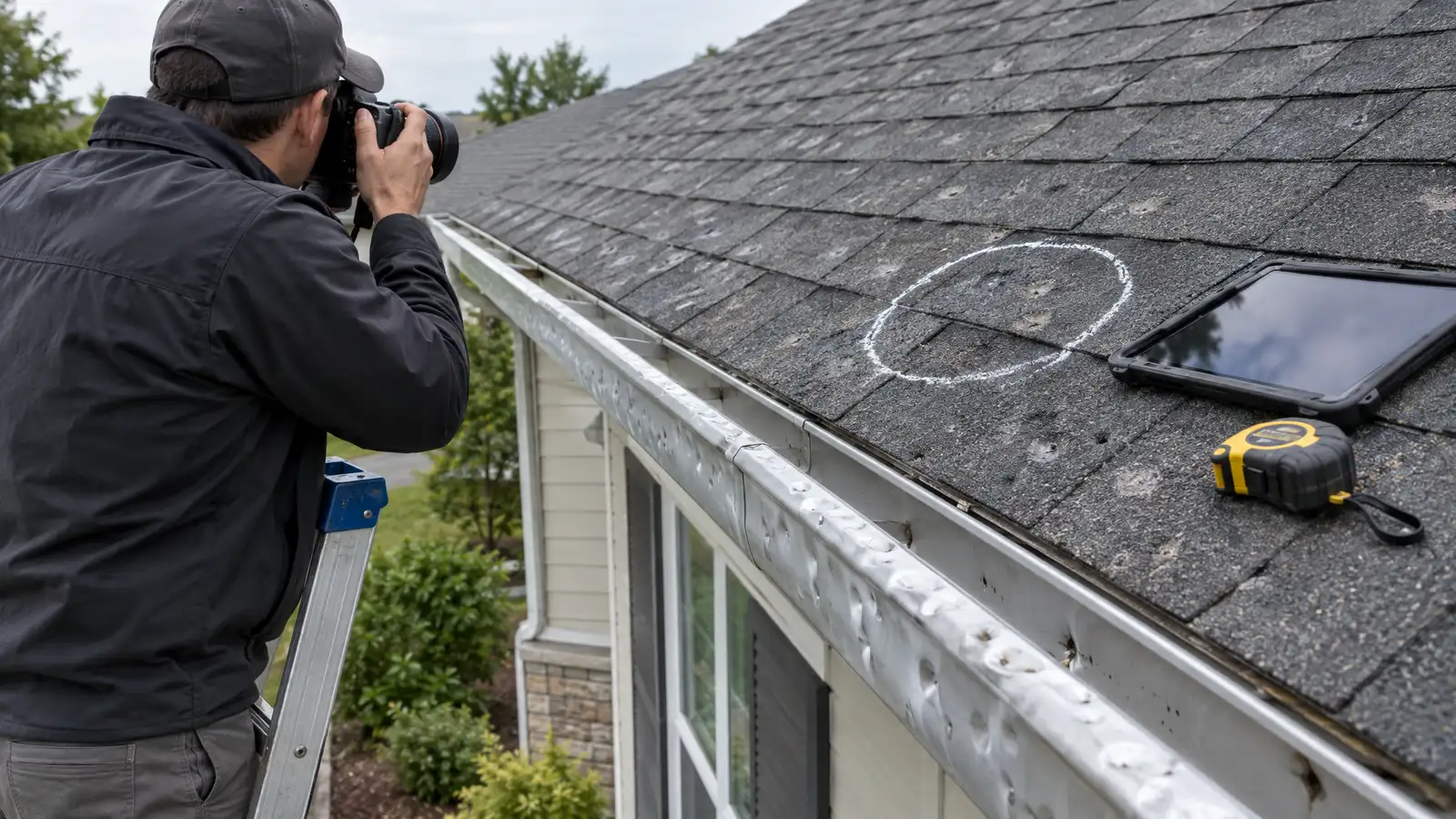 How to Document Storm Damage for a ClaimWhat to photograph, from where and how, so your evidence is clear.2 min read
 Middle Tennessee Storm Season GuideWhat to expect from the weather here and how roofs fare.2 min read
A page for every city we serve across Middle Tennessee, each with local storm notes.
We stop water from entering a damaged roof, make the building safe and carry out the repairs that follow. That means tarping and board-up, leak repair, clearing fallen limbs, storm damage repair and, when a roof is beyond repair, replacement.
We clear sharp debris, cut a heavy tarp to size and fasten it to wood battens over the damaged area, running up and over the ridge where we can. It sheds water until the permanent repair.
A tarp is short term. How long it is reasonable depends on the tarp, the installation and the weather, so we tell you what to expect for yours and check it if repairs are delayed.
It depends on how widespread the damage is and the age and condition of the rest of the roof. We give you a plain recommendation with photos.
We document damage, explain repairs and can meet your adjuster when you ask us to. Your insurer decides coverage, and we do not promise any outcome.
No. Be cautious of any contractor who offers to. It can cause problems for you, and the deductible is between you and your insurer.
Tell us what happened and where you see water. We will explain the safest next step and how we can cover and repair the roof.
Send the form or call. Say what the storm did, where you see water and whether anyone is in danger, and we will explain the safest next step and how we can help protect the roof.
Prefer to talk? Call us(615) 410-9749